
The pace of change in business is accelerating, making strategic execution essential for organizations aiming to thrive in 2026. As technology, business, and branding now define the new battleground, leaders must rethink how they integrate these domains for a competitive edge. This guide provides actionable strategies, proven frameworks, and real-world examples to help you master modern organizational change. Explore our step-by-step approach to future-proof your organization. Inside, you'll find expert-backed insights on foundational concepts, modern frameworks, practical processes, enabling technologies, cultural change, and measurement for lasting improvement.
The Foundations of Transformation Engineering
Strategic organizational change has become essential as organizations face complex challenges in 2026. The discipline now unites business, technology, and branding into one powerful approach. This section explores how the field evolved, why it matters, and what foundational pillars drive its success.

Defining Transformation Engineering in 2026
Modern change leadership in 2026 is far more than a technical discipline. It has evolved from traditional approaches, which once focused mainly on systems and infrastructure, to an integrated field that addresses business strategy, technology innovation, and brand impact together.
Today, it's about building bridges. The role of the Change Leader has shifted from technical architect to dynamic change agent. These professionals work across the C-suite, IT, and business units, ensuring every stakeholder moves toward a unified vision.
Organizations leading in this space have redefined job descriptions and team structures. For example, some have created multidisciplinary squads that blend engineers, marketers, and business strategists. This approach accelerates change and keeps everyone aligned.
The modern mindset is holistic. It recognizes the continuum between branding, technology, and business. Successful teams prioritize cross-functional expertise, leveraging skills in data, design, communication, and analytics.
Building high-performing teams is crucial. For a detailed look at the structures and skills that drive success, see the guide on Building High-Impact Transformation Teams.
As organizations adapt, these practices become the connector. They bring together diverse perspectives, break down silos, and drive value creation across the enterprise.
Core Pillars: Business, Technology, and Branding
The foundation of transformation engineering rests on three interconnected pillars:
Business Objectives: Clear strategies focused on growth, efficiency, and market relevance.
Technology Priorities: Modern tools, platforms, and data-driven decision-making.
Brand Concepts: Strong, consistent messaging that builds trust and loyalty.
When these pillars align, organizations create holistic value. Studies show companies that integrate branding and technology strategies outperform their peers by as much as 30% in customer loyalty.
Drives customer engagement and differentiation
Digital business transformation examples are everywhere. Retailers merging e-commerce with personalized branding, or banks using cloud and automation to enhance customer experiences, show the power of integrated pillars.
However, misalignment is risky. Siloed IT or branding teams can slow progress and weaken outcomes. Transformation engineering demands seamless strategy modeling and execution at every level.
In summary, organizations that embrace the three pillars of transformation engineering build resilience, adapt quickly, and achieve lasting competitive advantage.
Modern Frameworks and Methodologies for Transformation
In 2026, transformation engineering requires more than a traditional approach. Organizations must embrace frameworks and methodologies that enable agility, value creation, and strategic alignment. Let’s explore how leading companies are applying these modern practices to drive real results.
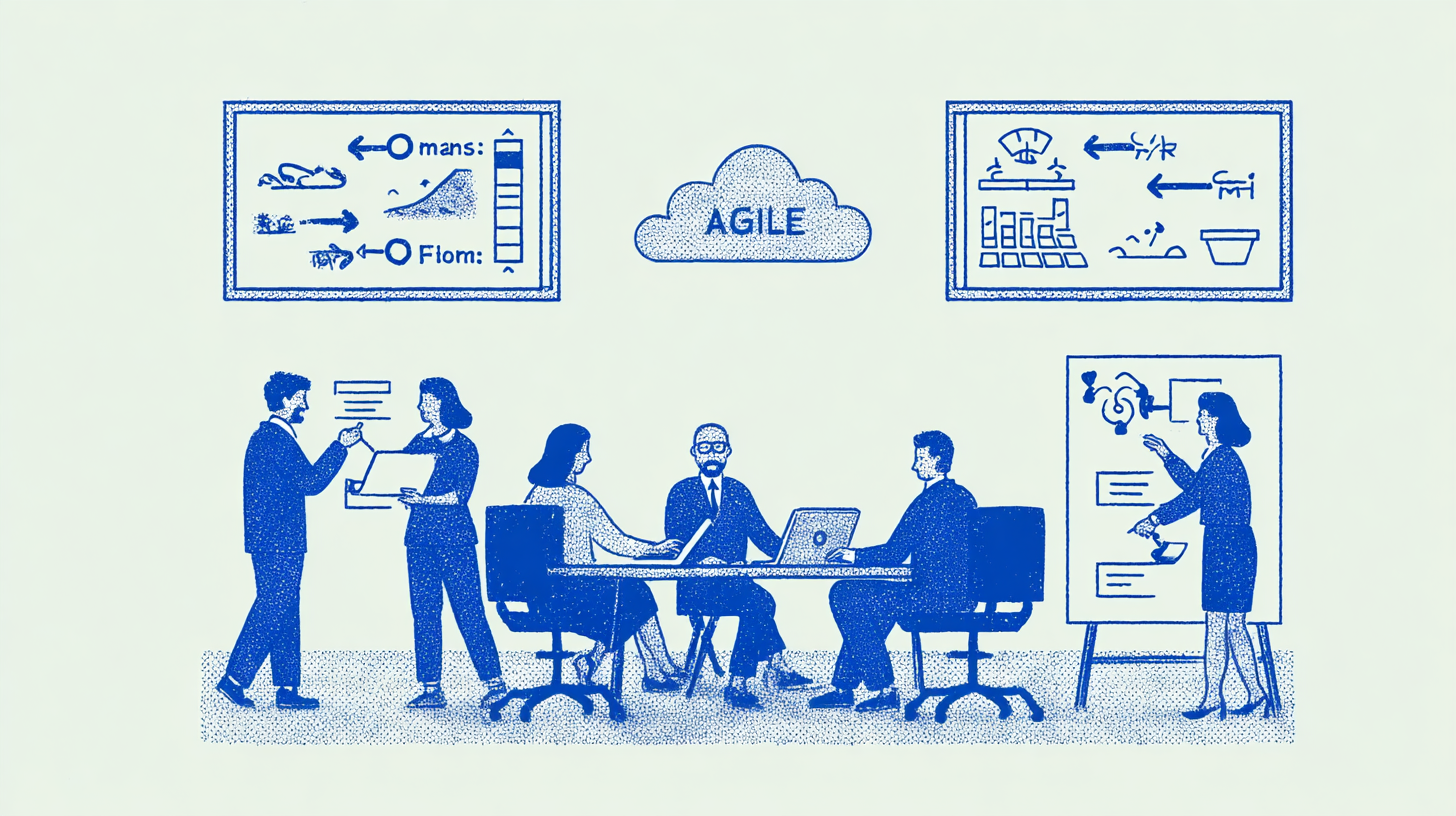
Agile at Scale and Modern Ways of Working
Agile at scale is a foundational pillar of transformation engineering for large enterprises. This approach expands agile principles beyond single teams, embedding them across departments and even into leadership layers.
A key benefit is speed. According to competitor data, agile organizations achieve a 20 to 30 percent faster time to market. Embedding agile means shifting from rigid project management to adaptive, iterative cycles. Teams work in short sprints, regularly assess priorities, and adjust based on feedback.
Success stories from global enterprises highlight how agile at scale drives transformation engineering. For example, one international bank restructured its IT and business units into cross-functional squads. These squads delivered digital products rapidly, increased customer satisfaction, and improved internal collaboration.
However, scaling agile is not without challenges. Common hurdles include resistance to change and difficulty coordinating multiple teams. Solutions often involve leadership buy-in, transparent communication, and investing in agile coaching.
For a deeper dive into scaling agile, consult resources like the Scaling Agile Frameworks whitepaper.
Value-Focused Analysis and Value Stream Mapping
Value-focused analysis is essential for transformation engineering, as it ensures every process improvement creates measurable business impact. Value stream mapping is a powerful tool for visualizing how value flows from initial request to customer delivery.
By mapping end-to-end processes, organizations can spot bottlenecks, redundancies, and waste. Case studies show that applying value stream mapping can lead to 10 to 20 percent efficiency gains. For example, a manufacturing company analyzed both customer-facing (frontstage) and internal (backstage) value streams. As a result, they reduced lead times and improved product quality.
Transformation engineering teams use data-driven analysis to prioritize high-impact improvements. This comprehensive approach prevents the common pitfall of optimizing isolated functions while missing bigger opportunities.
A typical value stream mapping exercise involves:
Identifying key process steps.
Measuring cycle times and handoffs.
Highlighting delays and sources of waste.
Designing accelerated, streamlined workflows.
This structured analysis lays the groundwork for targeted transformation and ongoing improvement.
Prioritization with Intent and Strategic Alignment
With many possible transformation initiatives, prioritization is critical. Leading transformation engineering teams use frameworks that consider viability, desirability, and feasibility to rank projects.
Strategic alignment means initiatives connect to business goals and organizational readiness. For example, a retail group used a scoring matrix to evaluate digital projects based on customer value, technical complexity, and strategic fit. High-scoring projects moved forward first, making the most of available resources.
Tools like Kanban boards and digital roadmaps help visualize priorities for all stakeholders. This transparency ensures alignment from C-suite to delivery teams.
Prioritizing with intent also reduces the risk of wasted effort. When transformation engineering is guided by clear criteria, organizations can adapt rapidly and deliver tangible business value.
Modern frameworks and methodologies empower organizations to move with confidence, ensuring every transformation effort is intentional, data-driven, and aligned with strategic goals.
Stepwise Guide to Successful Transformation Engineering
Transformation engineering thrives on a structured, stepwise process that ensures every aspect of change is deliberate, measurable, and sustainable. By following a clear path from assessment to cultural change, organizations can unlock lasting value and resilience.

Step 1: Assessing Current Maturity and Readiness
The first step in transformation engineering is a thorough assessment of your organization's current maturity. This involves evaluating technology infrastructure, business processes, and company culture.
Begin by gathering data on key performance indicators such as speed, quality, and cost reduction. Automating KPI tracking can increase visibility and accountability, giving leaders real-time insights into progress. Use maturity models to benchmark your organization's standing against industry standards.
A readiness checklist can help you identify gaps:
Is leadership aligned on transformation goals?
Are current systems flexible and scalable?
Is there a culture of continuous improvement?
Are data and analytics capabilities mature?
Is the workforce prepared for change?
Organizations at different maturity stages will have unique challenges and opportunities. For example, a digitally mature company might focus on optimizing value streams, while a less mature one may need to address legacy systems first. This tailored approach ensures transformation engineering delivers results at every stage.
Step 2: Designing the Transformation Roadmap
Once readiness is assessed, the next step is crafting a transformation roadmap. This roadmap should define clear, measurable goals that align with your broader business strategy.
Engage stakeholders early and often. Their buy-in is critical for transformation engineering success. Communicate the vision, objectives, and expected outcomes across all levels of the organization. Use collaborative workshops and surveys to gather input and address concerns.
Model technical, business, and branding strategies together to ensure alignment. Create visual templates to map out initiatives, timelines, and dependencies. A sample roadmap template might include:
Strategic objectives
Key milestones
Resource allocation
Risk mitigation plans
Success metrics
Watch out for common pitfalls, such as underestimating change resistance or failing to prioritize high-impact projects. Referencing real-world strategies, like those in the Digital Transformation Case Study Guide, can provide actionable insights to avoid these traps.
Step 3: Implementing Modern Technologies and Processes
Selecting and integrating the right technologies is a cornerstone of transformation engineering. Cloud platforms, AI, and automation tools enable organizations to modernize quickly and efficiently.
When choosing technologies, align them with both current needs and future scalability. IT modernization can reduce defects by 30 percent and accelerate speed to market by up to 30 percent, demonstrating the tangible benefits of digital investments.
Process automation and workflow redesign are equally important. Streamlining operations not only boosts efficiency but also frees up talent for higher-value tasks. Consider using value stream mapping to identify bottlenecks and opportunities for improvement.
Case studies show that organizations embracing continuous modernization are more resilient in the face of disruption. Establish feedback loops to monitor progress and adjust strategies as needed. This iterative approach is essential for transformation engineering to deliver sustainable results.
Step 4: Driving Organizational and Cultural Change
No transformation engineering journey is complete without addressing organizational and cultural change. A supportive, innovation-driven culture is critical for sustaining progress.
Break down siloes by fostering cross-functional collaboration. Restructure teams to focus on product-aligned, value-driven delivery. Invest in training programs, capability building, and leadership development to empower employees at every level.
Common resistance points include fear of job loss, lack of understanding, and change fatigue. Overcome these by communicating transparently, celebrating quick wins, and providing ongoing support.
Ultimately, embedding transformation engineering into your culture ensures that modernization and innovation become part of your organization's DNA.
Technology Enablers and Digital Acceleration
Technology is now the backbone of transformation engineering, shaping how organizations adapt, compete, and thrive in an ever-changing landscape. Embracing the right digital enablers is essential for accelerating progress and staying ahead.

Leveraging AI, Automation, and Cloud for Transformation
AI engineering and workflow automation are transforming the way organizations deliver value. By automating manual tasks and enabling smarter decision-making, companies can achieve efficiency gains of up to 25 percent.
Cloud infrastructure is another pillar, providing the scalability and resilience needed for transformation engineering success. Teams can rapidly deploy solutions, adapt to new market demands, and minimize downtime.
Emerging trends in digital engineering, such as hyperautomation and AI-augmented development, are setting the pace for 2026. For a deeper dive into these technology enablers, explore AI and Automation in 2026.
Consider these benefits of modern technology adoption:
Faster time to market with automated workflows
Enhanced data-driven decision-making through AI analytics
Scalable operations with cloud-based platforms
Continuous technology adoption in transformation engineering is not optional. It is the catalyst for innovation, resilience, and sustained growth.
Measuring Value and Ensuring Continuous Improvement
Measurement is at the heart of effective transformation engineering. Using KPIs and outcome-focused metrics, organizations can track progress, prove value, and stay aligned with strategic goals.
Automating the tracking and visualization of metrics increases transparency and accountability. By measuring engineering maturity over time, companies ensure that transformation efforts deliver lasting results.
Here is a simple framework for continuous improvement:
Define clear KPIs linked to business objectives.
Implement real-time dashboards for visibility.
Create feedback loops for iterative enhancements.
Review and adjust strategies based on data insights.
Organizations that excel at measuring value in transformation engineering consistently achieve better business outcomes. They turn insights into action, drive efficiency, and build a culture of ongoing improvement.
Building Enduring Capability: Talent, Skills, and Leadership
The foundation of successful transformation engineering lies in developing versatile talent, nurturing essential skills, and empowering strong leadership. As organizations prepare for 2026, the ability to build and sustain these capabilities will set leaders apart from the competition.
Developing Transformation Engineering Talent
Transformation engineering demands professionals who blend technical expertise, business acumen, and strong communication. These engineers must navigate complex systems, align technology with business strategy, and translate ideas across departments.
To meet these challenges, organizations are investing in targeted upskilling programs. Training in cloud technologies, AI, agile methodologies, and change management equips teams to handle rapid shifts. According to industry data, companies that prioritize talent development see higher retention and sustained innovation.
Effective capability building goes beyond technical skills. Leadership plays a critical role in transformation engineering, setting a vision and championing new ways of working. Leaders who foster open communication, support experimentation, and encourage feedback create an environment where transformation engineering thrives.
Cross-functional teams are another cornerstone. By bringing together diverse perspectives, organizations break down barriers and accelerate progress. For actionable guidance on aligning talent development with cultural change, explore Beyond Frameworks: Business Agility and Culture, which highlights how business agility and organizational culture fuel successful transformation engineering.
Fostering a Community of Modernization and Innovation
Sustained transformation engineering success depends on more than individual skill—it requires a vibrant community of practice. Building such communities encourages knowledge sharing, peer learning, and ongoing improvement.
Organizations are establishing forums, regular workshops, and mentorship programs to spread best practices. These initiatives help teams stay updated on the latest technologies and methodologies, while also supporting professional growth.
Case studies show that institutionalizing modernization leads to long-term impact. Companies embracing open collaboration and learning networks adapt quickly to change. Removing siloes and encouraging experimentation are essential for transformation engineering to flourish.
When teams feel empowered to share insights and test new ideas, innovation becomes part of the culture. This approach not only strengthens transformation engineering capability but also builds resilience for future challenges.
Case Studies and Real-World Examples of Transformation Engineering
Examining real-world applications of transformation engineering is vital for understanding what success looks like across industries. By analyzing these examples, organizations can uncover strategies that drive measurable improvements in speed, quality, cost, and business agility.
Banking Sector: Accelerating Digital Core Transformation
A leading global bank faced legacy system challenges, slow product launches, and regulatory pressures. By embracing transformation engineering and adopting a hybrid SAP transformation approach, the bank unified its core systems, integrated non-SAP applications, and streamlined compliance.
According to SAP Transformation Trends in 2026, such hybrid strategies are reshaping enterprise landscapes. Results included:
40% faster time-to-market for new products
25% reduction in operational costs
Enhanced customer experience and loyalty
This case highlights how transformation engineering can break down silos and align technology with business goals.
Public Sector: Driving Resilience Through Industrial Transformation
A government agency aimed to modernize its infrastructure to deliver better citizen services. Using transformation engineering principles, they integrated digital workflows, automated routine tasks, and improved energy management.
As described in Industrial Transformation in 2026, energy integration and digital infrastructure are key to resilience. Outcomes included:
30% improvement in service delivery speed
Greater transparency and accountability
Increased business continuity during crises
Transformation engineering proved essential in building a future-ready, adaptable public sector.
Insurance Industry: Enhancing Agility and Customer Value
An insurance provider struggled with manual underwriting and fragmented customer data. Through transformation engineering, they implemented cloud-based platforms, automated claims processing, and unified data analytics.
Key achievements:
35% reduction in claims processing time
Improved risk assessment accuracy
Higher customer satisfaction scores
This example shows how transformation engineering can empower insurance firms to deliver faster, smarter, and more personalized services.
Lessons Learned and Actionable Insights
Across these sectors, several best practices emerged for transformation engineering:
Align technology, business, and branding from the start
Prioritize cross-functional collaboration and agile delivery
Invest in ongoing training and change management
Use measurable KPIs to track progress and adapt strategies
Organizations that embrace transformation engineering are not only more resilient but also better equipped to seize new opportunities and respond to market disruptions.
Future Trends and Strategic Recommendations for 2026
The landscape of transformation engineering is shifting rapidly as we approach 2026. Organizations must anticipate new challenges and opportunities to stay ahead. Understanding the trends shaping transformation engineering and taking strategic action will be essential for future-proofing businesses.
Emerging Trends Shaping Transformation Engineering
Transformation engineering is evolving, with several powerful trends reshaping its future. The rise of AI-driven transformation is one of the most significant. Generative AI is not just changing software delivery, it is transforming how organizations approach business value, process automation, and innovation. Research such as the AI-Driven Software Development Paradigm highlights how AI-augmented engineers and automated workflows are dramatically reducing resource needs and amplifying productivity.
Hyperautomation is another dynamic trend. By automating complex, multi-step business processes, organizations can boost operational efficiency, drive down costs, and accelerate digital transformation. Composable enterprises are also gaining traction. This approach allows companies to rapidly assemble and reassemble digital building blocks, giving them unmatched agility in responding to market changes.
Sustainability and ethical considerations are becoming central to transformation engineering. Stakeholders now expect organizations to embed sustainable practices and responsible AI into their strategies. Data privacy, cybersecurity, and regulatory compliance are also top priorities. The growing complexity of digital ecosystems means transformation engineering must address these risks proactively to avoid setbacks.
Industry forecasts show that by 2026, 70% of organizations will make end-to-end digital transformation a top priority. This trend signals a shift from isolated technology projects to holistic, organization-wide transformation engineering. Leaders who recognize and act on these trends will position their companies for long-term success.
Strategic Recommendations for Leaders
To master transformation engineering in 2026, leaders must act decisively. Continuous modernization is critical. Organizations should regularly assess technology stacks, business processes, and customer experiences, ensuring they remain relevant and future-ready.
Talent development remains a cornerstone. Building cross-functional teams with expertise in technology, business, and branding is vital. Leaders should invest in upskilling, agile practices, and knowledge sharing to foster a resilient workforce. Empowering teams with transformation engineering skills will drive innovation and sustain competitive advantage.
Cultural agility is another key factor. Leaders must encourage experimentation, learning, and adaptability. Removing siloes, promoting collaboration, and supporting change champions are essential steps. A culture that embraces transformation engineering can adapt quickly to disruptions and seize new opportunities.
Integrated strategies are a must. Aligning business objectives, technology initiatives, and brand vision ensures that transformation engineering delivers measurable value. Leaders should use data-driven insights to guide decision-making and track progress with clear KPIs.
By following these recommendations, leaders can ensure their transformation engineering efforts remain effective, resilient, and aligned with future trends.
As you explore what it takes to future proof your organization for 2026, remember that true transformation isn’t just about adopting the latest technology—it’s about connecting strategy, people, and innovation in a way that delivers real results. If you’re ready to move from ideas to impact and want a partner who can help you blend digital, agile, and AI driven transformation with practical, hands on delivery, we’re here to help. Let’s start mapping your journey to smarter, faster ways of working together.
Contact us now to get started
