
Guide to Building High-Impact Transformation Teams in 2026
The pace of change in business is accelerating, creating an urgent need for organizations to adapt faster than ever before. In 2026, transformation teams stand at the center of this evolution, bridging the gap between digital innovation, agile methods, and AI-driven disruption.
Building high-impact change initiatives is now essential for organizations aiming to survive and thrive. These teams play a critical role in shaping strategy, driving results, and enabling real, lasting change.
This guide will walk you through how these groups are evolving, what makes them successful, and the practical steps to build and lead them. Learn about the key characteristics, leadership's role, common pitfalls, and the latest trends shaping organizational transformation. Ready to future-proof your organization? Read on for actionable insights.
The Evolving Role of Transformation Teams in 2026
These specialized units are becoming the backbone of modern organizations as they navigate rapid change. Unlike traditional project groups, they are designed to operate across functions, adapt quickly, and leverage advanced technologies. Their mission is not just to deliver projects, but to drive long-term organizational transformation.
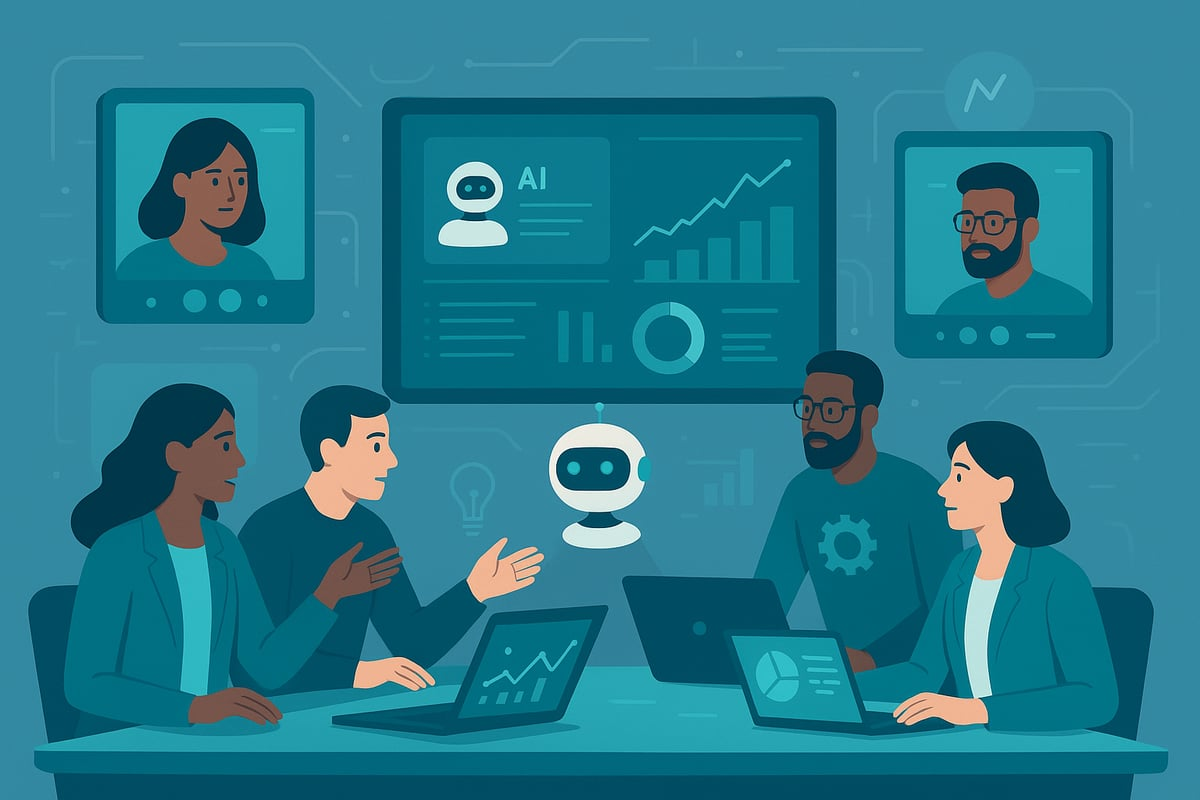
The Evolving Role of Transformation Teams in 2026
Understanding Transformation Teams in the Modern Era
Transformation teams are purpose-built groups that champion change throughout an organization. Unlike traditional teams, they bring together experts from business, technology, and operations to break down silos and work toward shared objectives.
These units are cross-functional, agile, and often AI-enabled, giving them the flexibility to adapt as priorities shift. Their strategic responsibilities include providing leadership support, managing transformation portfolios, aligning stakeholders, and building new capabilities.
As highlighted in Team topologies in modern organizations, these groups are now catalysts for value and behavior shifts. They also serve as vital bridges between business and technology functions, ensuring that every initiative supports broader organizational goals.
Key Drivers of Change Shaping Transformation Teams
Several forces are reshaping these specialized units in 2026. Market volatility, fast-paced technology adoption, and rising customer expectations are pushing organizations to become more agile.
Research shows that team-focused transformations can lead to 30% efficiency gains, making these groups critical to success. The traditional top-down and bottom-up models are giving way to team-centric approaches, where agile squads play a central role in driving change.
For example, in banking, teams are formed to rapidly launch new digital services. In life sciences, dedicated change agents are used to streamline product development and adapt to regulatory changes.
Transformation Team Success Factors in 2026
High-performing units share several key characteristics. Operational agility allows teams to respond quickly to new challenges and opportunities. Psychological safety ensures that all members feel comfortable sharing ideas and taking risks.
Cross-functional collaboration is essential, as teams must blend diverse skills to solve complex problems. Clear mandates and measurable outcomes keep everyone focused and accountable. According to McKinsey, teams with cross-functional skills are more likely to achieve difficult outcomes.
AI and automation are increasingly supporting these groups, enabling them to analyze data faster and automate routine tasks, which frees up time for higher-value work.
Challenges Unique to 2026 and Beyond
Modern change initiatives face unique obstacles. Hybrid work models create new complexities in managing distributed and AI-augmented teams. Talent shortages and digital fatigue can slow progress and impact morale.
Another challenge is bridging tech-business capability gaps, which often results from an overemphasis on leadership without enough operational input. Resistance from operational teams can also stall transformation.
To overcome these challenges, organizations should embed operational voices in strategic planning, invest in upskilling, and use regular feedback loops. These strategies help teams stay connected, resilient, and focused on delivering lasting change.
Step-by-Step Guide to Building High-Impact Transformation Teams
Building high-impact change initiatives requires a structured approach that balances vision, agility, and practical execution. Organizations cannot leave success to chance; it depends on following a proven process that addresses both human and technological factors.
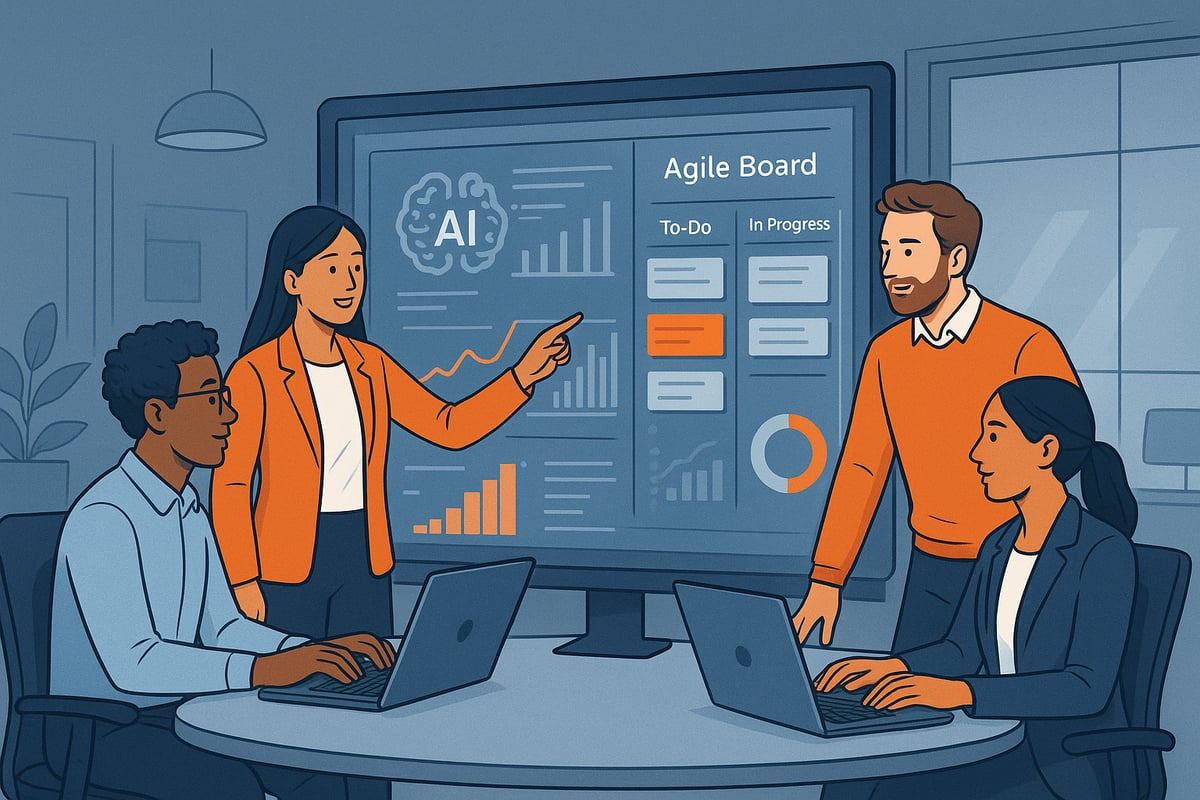
Step-by-Step Guide to Building High-Impact Transformation Teams
Step 1: Identify and Prioritize High-Value Teams
The first step is to determine which units will drive the most business value. Start by mapping key business priorities and identifying the teams most critical to your transformation agenda.
Use proven frameworks, such as the one cited by McKinsey, to prioritize teams that can adapt and innovate quickly. For example, an Asian bank selected its top 50 teams to lead its shift toward agility and innovation, ensuring the most essential areas got focused attention.
Criteria to consider:
Strategic impact on the organization
Potential for rapid adaptation
Alignment with transformation goals
Selecting the right groups at the outset sets the foundation for success.
Step 2: Define Clear Mandates and Outcomes
Once high-value teams are chosen, clarify each unit's mandate and expected outcomes. A compelling vision ensures everyone understands their purpose and how their work ties to the broader transformation.
Set measurable goals across short, medium, and long timeframes. For instance, a life sciences company aligned its teams around value-added activities, tracking progress at every stage.
Tips for clarity:
Develop outcome-based objectives
Communicate goals frequently
Use metrics to drive accountability
Well-defined mandates help these groups stay focused and motivated.
Step 3: Build Cross-Functional and Diverse Teams
High-performing units blend expertise from business, technology, and operations. According to McKinsey, many impactful teams do not exist at the start; they must be created by intentionally mixing skills and backgrounds.
Involve stakeholders from outside the formal team boundaries to bring in fresh perspectives. This approach helps address complex challenges and ensures solutions are practical and innovative.
Key actions:
Recruit members from varied disciplines
Encourage diversity of thought
Include external collaborators when needed
Cross-functional diversity is a hallmark of effective change initiatives.
Step 4: Empower Teams with Autonomy and Decision-Making
For these groups to achieve their potential, they need real authority to make decisions. Empowered teams are able to set their direction, experiment, and respond to feedback rapidly.
Practical ways to build autonomy:
Grant decision rights within clear boundaries
Encourage learning cycles and experimentation
Hold regular retrospectives every 30–90 days
For example, leading organizations schedule frequent team retrospectives, allowing units to reflect and improve.
Step 5: Foster Psychological Safety and Growth Mindset
Psychological safety is a critical ingredient, allowing members to share ideas and take risks. When employees feel safe, innovation flourishes.
Data shows that after a shift in culture, 85% of employees support transformation efforts. Practices include regular check-ins, open feedback, and structured conflict resolution.
How to build safety:
Schedule routine team check-ins
Model constructive feedback
Address conflicts openly
High-performing groups thrive in environments that value learning and trust.
Step 6: Equip Teams with Digital and AI Capabilities
Modern change agents must harness digital tools and AI to accelerate their work. Integrating AI for automation, analytics, and collaboration boosts team productivity, especially in hybrid settings.
Digital platforms support remote work and seamless information sharing. Upskilling in digital and AI competencies is now essential. For deeper insight, see Collaborating with AI Agents: Field Experiments on Teamwork, Productivity, and Performance, which explores how AI agents are transforming teamwork and productivity in organizational change.
Key focus areas:
Invest in AI-powered tools
Provide training in digital skills
Foster a culture of continuous upskilling
Teams equipped with digital and AI capabilities deliver faster, smarter results.
Step 7: Monitor, Measure, and Scale Success
Finally, track performance using clear metrics such as productivity, engagement, and business impact. Use data to celebrate wins and adjust strategies.
Scaling involves adding new units in waves, building on the successes of early adopters. This approach, recommended by McKinsey, ensures sustainable growth and lasting change.
Steps to monitor and scale:
Define KPIs for each team
Review progress regularly
Replicate high-impact practices across teams
Continuous measurement and scaling keep initiatives aligned and effective.
Essential Characteristics of High-Impact Transformation Teams
High-impact change initiatives are defined by a unique blend of attributes that set them apart in today's fast-changing business landscape. To achieve true transformation, organizations must foster teams that are not just skilled, but also adaptable, purpose-driven, and psychologically safe. Let's break down the essential characteristics every transformation team needs in 2026.

Essential Characteristics of High-Impact Transformation Teams
Cross-Functional Collaboration and Diversity
These specialized units thrive when they bring together talent from across business, technology, and customer-facing roles. By blending these perspectives, teams unlock creative solutions that would be impossible in siloed groups.
For example, an oil and gas provider formed cross-functional teams to drive its decarbonization efforts. This mix of technical and business expertise helped the company identify and execute on innovative sustainability projects.
Diversity within these groups is not just about roles, but also about backgrounds, experiences, and thinking styles. This diversity leads to better problem-solving and a greater capacity for innovation.
Clear Purpose, Mandate, and Accountability
Every successful unit operates with a crystal-clear purpose. Teams align around a shared vision, ensuring everyone knows the "why" behind their work. Transparent goals and mandates are the backbone that guide daily decisions.
Accountability is built through regular reviews and outcome-driven assessments. Teams that are clear on their mandates consistently deliver results and maintain high engagement.
A strong sense of purpose helps these groups stay focused, even when the broader organization faces competing demands or shifting priorities.
Adaptive and Agile Ways of Working
Agility is a hallmark of modern change initiatives. These teams embed agile methodologies into their routines, allowing them to pivot quickly and respond to change. Retrospectives and continuous improvement are standard, helping teams drop activities that do not add value and focus on what matters most.
Adopting a structured approach, such as the steps outlined in Agile transformation step-by-step, empowers teams to work faster and with greater flexibility. This mindset enables units to deliver impactful results in dynamic environments.
Culture of Trust, Learning, and Psychological Safety
A foundation of trust is essential for excellence. Open communication and candid feedback create an environment where team members feel safe to share ideas, experiment, and learn from failure.
Leaders play a crucial role in modeling a growth mindset and encouraging upskilling. Regular check-ins and opportunities for learning foster an inclusive team culture.
Data consistently shows that psychological safety is linked to faster innovation and higher buy-in for change efforts. When trust and learning are prioritized, teams are better equipped to handle challenges and drive lasting change.
The Critical Role of Leadership in Transformation Team Success
Leadership is the cornerstone of effective change management. In 2026, the role of leaders is rapidly shifting as organizations adapt to digital, agile, and AI-enabled environments. The success of these initiatives hinges on how leaders inspire, empower, and align teams toward shared goals. Let's break down what modern leadership looks like for high-impact teams.

The Critical Role of Leadership in Transformation Team Success
Shifting Leadership Behaviors for 2026
Leaders must evolve from traditional command-and-control models to coaching and vision-setting roles. In 2026, effective leadership means guiding change agents by setting clear direction, fostering purpose, and removing obstacles.
Key shifts include:
Moving from authority-driven to influence-driven leadership styles
Acting as coaches who encourage experimentation and learning
Focusing on outcomes rather than rigid processes
A great example comes from the life sciences sector, where 6,000 leaders were trained as coaches to support organizational change. This approach builds trust and accelerates transformation. For a deeper dive into how leadership styles are evolving to empower teams, see the future of agile leadership.
Empowering Teams While Maintaining Strategic Alignment
Empowering units requires a balance between autonomy and alignment. Leaders must give teams the authority to make decisions, while ensuring every team's work supports the organization's broader strategy.
Effective leaders:
Sponsor and champion teams, especially during resistance or setbacks
Facilitate peer-to-peer conversations to resolve inter-team conflicts
Regularly communicate strategic priorities to keep teams on track
When groups feel trusted to act, yet connected to the company's vision, engagement and innovation soar. This approach also helps teams adapt quickly to market changes.
Building Capability and Supporting Growth
Leaders play a critical role in developing the skills and potential of their people. Investing in talent means more than just training for current roles.
Best practices include:
Offering mentoring and coaching to nurture future leaders
Encouraging skill development beyond job descriptions
Creating opportunities for cross-functional learning
Research shows employees learning new skills report higher energy and engagement. By prioritizing capability building, leaders ensure teams are ready for the challenges of 2026 and beyond.
Ensuring Sustainability and Scaling Transformation
Sustaining impact means embedding best practices throughout the organization. Leaders must focus on replicating what works and scaling success.
Strategies for sustainability:
Use facilitators and coaches to reinforce transformation behaviors
Start with critical teams, then expand successful models in waves
Celebrate wins and share lessons learned across teams
This approach ensures change initiatives become a lasting part of the company culture, driving ongoing improvement and resilience in the face of disruption.
Common Pitfalls and How to Avoid Them
Even the best teams can stumble if they fall into common traps. By understanding these pitfalls, organizations can set up their initiatives for lasting impact.
Overemphasis on Senior Leadership, Under-Connecting with Operations
One of the biggest challenges is focusing too much on senior leadership while neglecting the voices of frontline and operational staff.
When groups operate in an executive bubble, they risk creating strategies that do not resonate with day-to-day realities. This disconnect can slow adoption and create resistance.
To avoid this, embed operational feedback loops within strategic planning. Actively involve frontline employees in planning and decision-making. For practical tips, see Building transformation buy-in.
By bridging the gap between leadership and operations, change agents stay grounded and relevant.
Tech-Business Capability Gaps
Another pitfall arises when transformation teams are stacked with either technical or business expertise, but not both.
If a team lacks business context, it may struggle to deliver solutions that fit organizational needs. Conversely, teams without enough technical skill can fail to execute agile practices or drive digital innovation.
Balanced transformation teams blend technology, business, and operational perspectives. This ensures that solutions are practical, scalable, and aligned with organizational goals.
Regular cross-training and shared learning sessions help close these gaps, building common understanding and stronger collaboration across the team.
Resistance to Change and Siloed Mindsets
Legacy cultures and departmental silos can block progress for transformation teams.
When teams or departments cling to old ways of working, collaboration breaks down and transformation efforts stall. Data from the banking sector shows that silo mentality is a leading barrier to successful change.
To overcome resistance, transformation teams should foster cross-functional collaboration and shared accountability. Build a culture where team members celebrate wins together and learn from setbacks as a group.
Open communication, transparency, and joint problem-solving are essential to breaking down silos and building momentum for change.
Lack of Clear Vision, Strategy, or Measurable Outcomes
Transformation teams can lose momentum if they lack a clear vision or specific outcomes.
Without explicit goals, teams may get pulled into competing priorities or revert to business-as-usual tasks. This leads to frustration and stalled transformation.
Set a compelling vision and communicate it often. Define measurable short, medium, and long-term objectives. Regularly track progress and celebrate milestones, no matter how small.
For more on setting up teams for lasting success, review The science behind successful organizational transformations.
By anchoring transformation teams around clear direction and accountability, organizations keep energy and focus high.
Emerging Trends and Future Outlook for Transformation Teams
Transformation teams are evolving rapidly, driven by technological innovation, shifting work models, and a relentless need for adaptability. As organizations look toward the future, several critical trends are shaping how transformation teams deliver value and sustain impact.
The Rise of AI-Augmented Teams and Automation
AI is becoming an integral part of transformation teams, enabling faster decision-making, automating routine workflows, and unlocking new levels of innovation. Teams now leverage custom AI models and analytics platforms to address complex challenges and drive efficiency across functions.
For example, financial services and manufacturing sectors are embedding AI in daily processes, allowing transformation teams to achieve greater precision and speed. According to How AI Could Reshape Your Company's Teams By 2026, organizations are redesigning team structures to fully integrate AI, resulting in improved outcomes and streamlined collaboration.
By 2026, transformation teams that embrace automation and AI augmentation will be able to scale impact more quickly and respond to business needs with agility.
Hybrid and Distributed Team Models
The shift to remote and hybrid work has fundamentally changed how transformation teams operate. Distributed teams now rely on advanced digital platforms to collaborate, share information, and maintain alignment across time zones.
Virtual collaboration tools, real-time dashboards, and cloud-based project management solutions are essential for these new work models. However, transformation teams face unique challenges in maintaining engagement, trust, and a sense of shared purpose when team members are not physically together.
According to recent industry insights, organizations that prioritize digital connectivity and inclusive communication see higher levels of productivity and innovation in their transformation teams.
Continuous Learning and Capability Building
Transformation teams must commit to ongoing learning to keep pace with rapid technological change. Upskilling in digital, agile, and AI competencies is now a continuous process, not a one-time event.
Leading organizations are investing in structured training programs, peer-to-peer learning, and mentorship to ensure transformation teams have the skills needed for success. As highlighted in Tech executives double down on AI, talent, and adaptive strategies to lead in the Intelligence Age, talent development is a top priority for sustaining transformation.
By fostering a culture of growth and adaptability, transformation teams can stay ahead of industry trends and deliver lasting business results.
Measuring Transformation Impact and Scaling Success
To maximize value, transformation teams are adopting advanced analytics to track performance, engagement, and business outcomes. Real-time data enables teams to identify what works, adjust strategies quickly, and replicate successful models across the organization.
Metrics such as productivity gains, employee engagement scores, and business impact are now standard for evaluating transformation teams' effectiveness. Organizations are scaling transformation by rolling out proven team structures in waves, learning from early adopters and refining approaches.
As transformation teams continue to evolve, the focus on measurement and scalability will be critical for sustaining momentum and achieving enterprise-wide change.
Now that you’ve seen how high impact transformation teams can drive real results in 2026—from blending cross functional skills to leveraging AI and agile thinking—you might be wondering how to put these steps into action for your own organization. Whether you’re looking to build new teams, upskill your leaders, or simply make your transformation efforts stick, we’re here to help you turn strategy into outcomes that actually matter. If you’re ready to take the next step and want some hands-on guidance tailored to your goals, Contact us now to get started.
