
Organisations navigating digital transformation, agile adoption, and AI integration face a common challenge: finding the right people to lead and execute change. Traditional recruitment approaches often fall short when sourcing specialists who can blend strategic thinking with hands-on delivery. Transformation recruitment has emerged as a distinct discipline that addresses this gap, focusing on identifying, attracting, and placing professionals who thrive in complex, evolving environments. As we move through 2026, the demand for transformation talent continues to outpace supply, making strategic recruitment practices essential for companies pursuing meaningful change.
Understanding the Scope of Transformation Recruitment
Transformation recruitment differs fundamentally from standard hiring processes. Rather than filling predefined roles with static job descriptions, it involves sourcing individuals who can navigate ambiguity, drive cultural shifts, and deliver measurable outcomes across multiple domains.
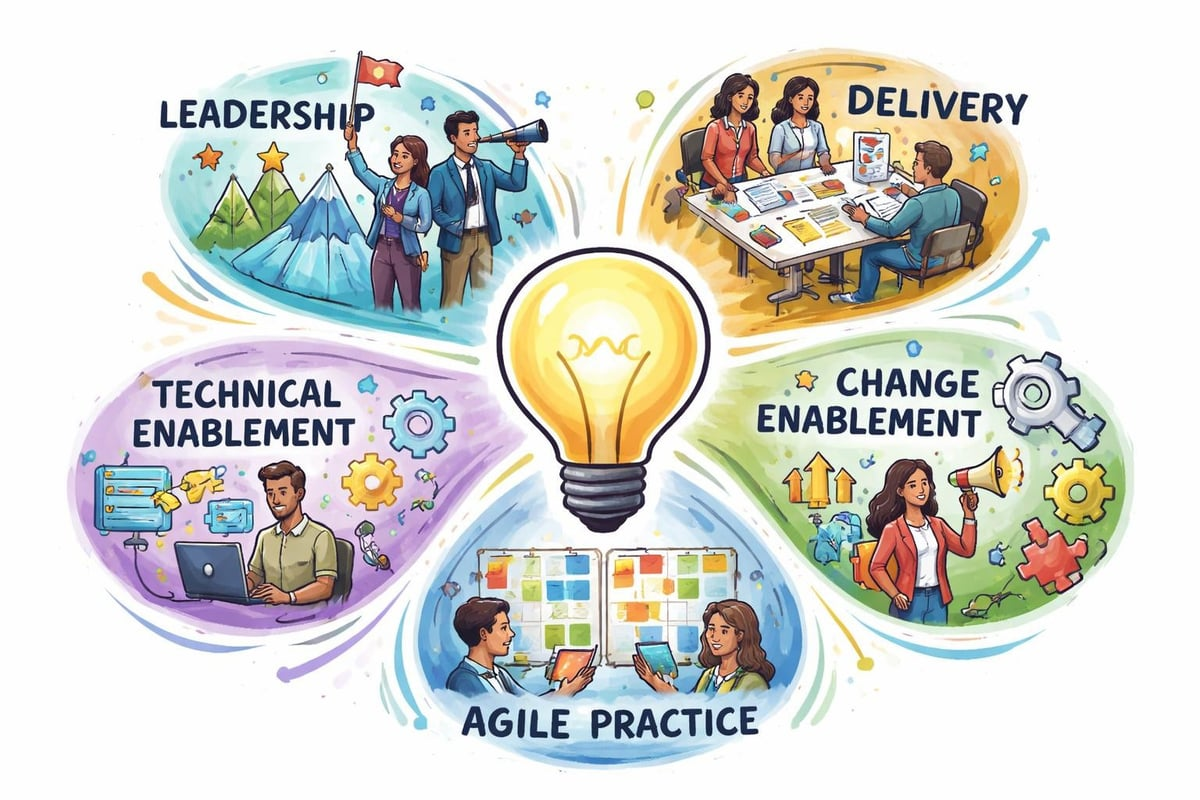
The discipline encompasses several key areas:
Strategic transformation leadership including Chief Transformation Officers, Heads of Transformation, and Programme Directors
Agile and delivery specialists such as Scrum Masters, Agile Coaches, and Release Train Engineers
AI and automation experts who integrate emerging technologies into business operations
Change management professionals who guide teams through adoption and cultural evolution
Product and service designers focused on customer-centric innovation
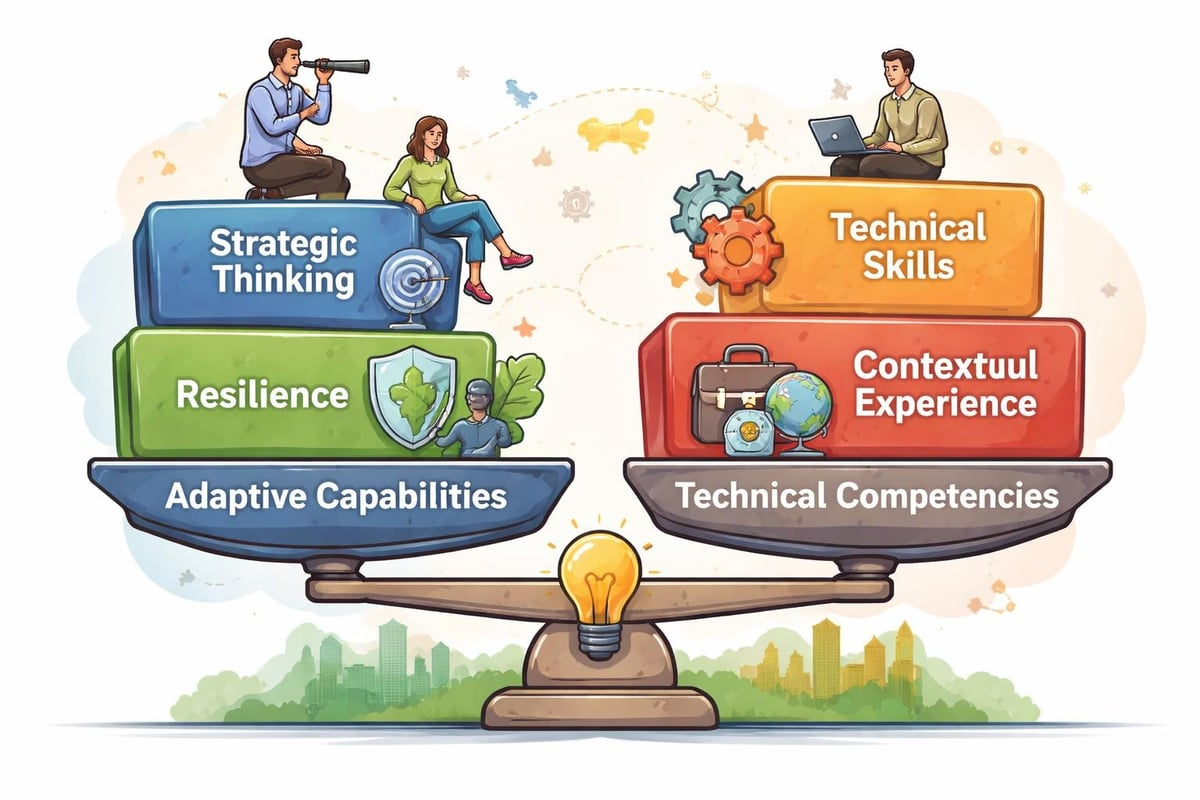
Recruiting transformational talent requires understanding not just technical competencies but also adaptive capabilities, leadership styles, and cultural fit within organizations undergoing significant change.
The Evolution of Transformation Roles
Five years ago, transformation roles were predominantly project-based and temporary. Today, organizations recognize that transformation is continuous rather than episodic. This shift has created demand for permanent transformation capabilities alongside interim specialists for specific initiatives.
Building Effective Transformation Recruitment Strategies
Successful transformation recruitment requires a fundamentally different approach than traditional hiring. Organizations need to think beyond individual positions and consider how talent contributes to broader transformation ecosystems.
Defining True Transformation Needs
Many organizations begin transformation recruitment by listing generic role requirements. This approach typically yields candidates who look good on paper but struggle in practice. Instead, effective strategies start with understanding the transformation context.
Critical questions to address:
What specific outcomes must this transformation achieve within the next 12-24 months?
What cultural or structural barriers currently prevent progress?
Which capabilities exist internally versus those requiring external expertise?
How will success be measured beyond traditional KPIs?
When building high-impact transformation teams, clarity on these questions shapes both role design and candidate assessment criteria.
Sourcing Beyond Traditional Channels
Transformation specialists rarely respond to standard job postings. They're often already employed, working on challenging initiatives, and motivated by impact rather than incremental career moves.
Effective sourcing strategies include:
Community engagement through meetups, conferences, and professional networks focused on agile, transformation, and emerging technologies
Thought leadership platforms where practitioners share insights through blogs, podcasts, and speaking engagements
Alumni networks from companies known for transformation excellence
Specialized recruitment partners like transformation-focused agencies who maintain active talent communities
The best transformation candidates are attracted by meaningful challenges and organizational commitment to change, not just compensation packages.
Assessment Approaches for Transformation Talent
Traditional interview processes poorly predict transformation success. Candidates might excel at describing frameworks yet struggle when facing organizational resistance or ambiguous requirements. Transformation recruitment demands assessment methods that reveal how people think, adapt, and lead under pressure.
Competency-Based Evaluation Frameworks
Rather than focusing solely on experience with specific methodologies or tools, effective assessments explore adaptive capabilities:
Strategic thinking: Can the candidate connect tactical activities to business outcomes?
Influencing without authority: How do they build coalitions and drive change across silos?
Resilience and adaptability: How have they responded when initial approaches failed?
Learning orientation: Do they actively seek feedback and evolve their methods?
Practical assessment techniques:
Scenario-based discussions where candidates analyze real transformation challenges from your organization reveal thinking patterns more effectively than hypothetical questions. Case study presentations allow candidates to demonstrate how they've navigated complexity in previous roles. Collaborative problem-solving sessions with potential team members provide insight into working style and cultural fit.
Technical and Contextual Validation
While adaptive capabilities matter enormously, transformation roles also require specific technical competencies. AI and automation specialists need demonstrated expertise in relevant technologies, not just theoretical knowledge.
Validation approaches should be proportionate to role requirements. For senior leadership positions, understanding strategic implications of technology matters more than hands-on coding ability. For delivery specialists, proven experience managing complex programmes across multiple workstreams provides essential credibility.
Addressing Market Challenges in 2026
The transformation recruitment landscape in 2026 presents several distinct challenges that organizations must navigate strategically. Supply-demand imbalances create competitive pressures that require creative responses.
Talent Scarcity and Competition
Demand for transformation specialists significantly exceeds qualified supply. Organizations compete not just with direct industry peers but with consulting firms, technology companies, and startups all pursuing similar profiles.
Transformation recruitment specialists recognize these dynamics and help organizations differentiate themselves through mission, culture, and growth opportunities rather than relying solely on financial incentives.
The Interim Versus Permanent Equation
Organizations often debate whether transformation roles should be permanent or interim. The reality is that effective transformation recruitment strategies incorporate both models strategically.
Permanent transformation capabilities provide continuity, cultural knowledge, and sustained momentum. They're essential for embedding new ways of working and building internal capability over time.
Interim specialists bring fresh perspectives, concentrated expertise for specific initiatives, and flexibility to scale teams up or down based on transformation phases.
The most successful approaches combine core permanent teams with targeted interim expertise. This hybrid model allows organizations to maintain transformation momentum while accessing specialized skills for particular challenges.
Developing Attractive Value Propositions
Transformation professionals choose opportunities based on factors that extend far beyond salary. Understanding what motivates top talent enables more effective attraction and retention strategies.
What Transformation Specialists Actually Want
Research and market insights consistently reveal that experienced transformation professionals prioritize:
Meaningful impact: The opportunity to drive visible, measurable change rather than perpetual planning
Executive sponsorship: Active support from senior leadership who understand transformation requirements
Resource commitment: Adequate investment in tools, training, and team composition
Autonomy and trust: Freedom to apply professional judgment rather than following prescriptive processes
Learning and growth: Exposure to emerging practices, technologies, and complex challenges
Organizations that clearly communicate these elements during recruitment conversations stand out from competitors offering generic transformation roles.
Articulating the Transformation Mission
Generic job descriptions attract generic candidates. Compelling transformation recruitment requires articulating a specific mission that resonates with professionals seeking meaningful work.

Strong mission articulation includes:
The business context: Why transformation matters now for your organization
The transformation vision: What success looks like in concrete terms
The cultural environment: How you work, make decisions, and support teams
The growth opportunity: How this role develops careers and capabilities
When leading transformation initiatives, the narrative you create around the opportunity matters as much as the formal role requirements.
Integrating AI and Technology into Recruitment Processes
Transformation recruitment itself is being transformed by technology. Organizations pursuing digital and AI transformation should apply similar principles to their own talent acquisition processes.
Leveraging AI for Candidate Identification
Advanced recruitment technologies now enable more sophisticated candidate identification and assessment. Machine learning approaches can analyze profiles, predict role fit, and suggest ideal candidates based on complex pattern matching beyond simple keyword searches.
However, transformation recruitment requires human judgment that technology cannot yet replicate. The most effective approaches use AI to:
Expand search parameters beyond obvious candidates
Identify transferable skills from adjacent industries
Screen for baseline qualifications efficiently
Reduce unconscious bias in initial reviews
Technology augments rather than replaces the relationship-building and contextual assessment that successful transformation recruitment demands.
Process Optimization and Candidate Experience
Transformation candidates expect organizations to demonstrate the same operational excellence internally that they promise externally. Clunky recruitment processes signal cultural misalignment and operational immaturity.
Talent acquisition transformation playbooks provide frameworks for improving recruitment operations through better processes, technology integration, and stakeholder management.
Key process improvements:
Streamlined application and interview scheduling through automation
Clear communication cadences keeping candidates informed throughout
Structured feedback mechanisms improving decision quality
Rapid turnaround times respecting candidate time and momentum
Organizations serious about transformation recruitment audit their own processes regularly, gathering candidate feedback and iterating based on insights.
Building Internal Transformation Recruitment Capabilities
Many organizations rely entirely on external recruitment partners for transformation hiring. While specialists provide valuable market access and expertise, developing internal capabilities creates sustainable competitive advantage.
Establishing Transformation Talent Communities
Rather than recruiting reactively when positions open, leading organizations build ongoing relationships with transformation professionals. Talent communities create pipelines of engaged candidates who understand your organization and mission.
Community-building approaches include:
Hosting events and workshops where practitioners share knowledge and network
Publishing thought leadership demonstrating transformation expertise and culture
Maintaining alumni networks staying connected with former transformation team members
Creating advisory relationships engaging experts as advisors before formal hiring needs emerge
This proactive approach reduces time-to-hire and improves candidate quality when positions do open.
Developing Recruitment Partner Relationships
External recruitment partners serve critical roles when selected strategically. Specialized transformation recruitment firms bring market intelligence, candidate networks, and assessment expertise that complement internal capabilities.
Organizations should view transformation recruitment partners as strategic advisors rather than transactional service providers.
Onboarding and Integration for Transformation Success
Recruitment doesn't end when candidates accept offers. Transformation specialists face unique onboarding challenges as they enter organizations mid-journey through complex change initiatives.
Structured Onboarding for Complex Contexts
New transformation hires need to understand organizational history, political dynamics, and cultural nuances alongside standard role orientation. Effective onboarding for transformation roles includes:
Stakeholder mapping sessions identifying key relationships and influence networks
Transformation context briefings explaining what's been tried, what worked, what failed
Cultural orientation beyond formal values to actual decision-making norms
Quick wins identification enabling early credibility building
Organizations that invest in thorough transformation onboarding see faster time-to-impact and higher retention rates.
Building Support Networks
Transformation work can be isolating, particularly for specialists joining organizations without established transformation communities. Creating effective teams requires intentional network development.
Support mechanisms include:
Peer cohorts connecting transformation specialists across the organization
Executive mentorship providing senior advocacy and guidance
External community access through conference attendance and network participation
Regular reflection practices helping individuals process challenges and celebrate progress
These networks reduce burnout risk while increasing capability sharing and collective problem-solving.
Measuring Transformation Recruitment Effectiveness
Traditional recruitment metrics like time-to-hire and cost-per-hire provide limited insight into transformation recruitment effectiveness. Organizations need measures aligned with transformation outcomes.
Beyond Standard Recruitment KPIs
While efficiency metrics matter, transformation recruitment success ultimately links to business impact:
Outcome-focused metrics:
Transformation delivery velocity: How quickly do initiatives progress after key hires join?
Capability development: Are internal teams learning and growing through working with transformation specialists?
Retention and engagement: Do transformation hires stay and thrive, or leave within 12-18 months?
Quality of hire assessments: Do hiring managers and executives rate transformation recruits as effective six and twelve months post-hire?
These measures require longer evaluation timeframes but provide meaningful insight into whether recruitment strategies actually deliver transformation value.
Continuous Improvement Approaches
Organizations pursuing transformation should apply the same continuous improvement mindset to their recruitment practices.
Regular retrospectives examining successful and unsuccessful hires reveal patterns. Exit interviews with transformation professionals who leave provide critical feedback. Benchmarking against recruitment best practices identifies improvement opportunities.
This learning orientation ensures transformation recruitment capabilities evolve alongside broader organizational transformation maturity.
The Strategic Role of Specialist Recruitment Practices
Some organizations choose to establish dedicated transformation recruitment functions or partner with specialized practices that focus exclusively on transformation talent. This strategic approach recognizes that transformation recruitment requires distinct expertise.
Specialist practices like Lithe People bring several advantages. They maintain active networks within transformation communities, understand the nuanced differences between frameworks and approaches, and can assess cultural fit for transformation contexts specifically.
These practices often support organizations through agile and digital transformation journeys by providing not just individual specialists but complete teams configured for specific transformation challenges.
The decision to engage specialist transformation recruitment support depends on factors including:
Scale and complexity of transformation initiatives
Internal recruitment capability and capacity
Urgency of hiring needs
Strategic importance of specific roles
Budget availability for recruitment investment
Organizations pursuing significant transformation typically benefit from combining internal recruitment capabilities with targeted specialist support for critical or hard-to-fill positions.
Transformation recruitment represents far more than filling open positions. It's about building the human capabilities that enable organizations to navigate complexity, adopt emerging technologies, and deliver sustained business outcomes. As transformation continues accelerating through 2026, the ability to attract, assess, and integrate the right talent becomes a defining competitive advantage. Lithe Transformation combines deep expertise in transformation strategy and delivery with specialized recruitment capabilities through Lithe People, helping organizations build the teams they need to turn ambitious visions into measurable results. Whether you need individual transformation specialists or complete delivery teams, Lithe brings the strategic insight and practical support to accelerate your transformation journey.
