
In 2026, customer expectations are changing at lightning speed. Businesses face more pressure than ever to stand out, as consumers now demand seamless, personalized experiences across every channel.
This guide is your roadmap to mastering innovation in customer experience. You’ll discover what CX innovation means today, the trends shaping the future, and step-by-step strategies to help your brand stay ahead. By embracing new technology, harnessing data, and fostering a customer-centric culture, you can drive loyalty, growth, and long-term success.
Ready to transform your approach? Dive in and learn how to make innovation in customer experience your brand’s competitive edge.
Understanding Customer Experience Innovation in 2026
How do brands stand out in a world where customer expectations constantly shift? At the heart of this challenge is innovation in customer experience, which has become the main battleground for growth and loyalty in 2026.
Understanding Customer Experience Innovation in 2026
Defining CX Innovation for the Modern Era
Innovation in customer experience means creating entirely new or significantly improved ways to deliver value at every point where a customer interacts with your brand. It goes beyond small tweaks or updates. True innovation in customer experience is about reimagining how customers engage, blending creativity with technology to solve real problems.
Incremental improvements, like shortening a checkout process, are valuable, but not the same as innovation in customer experience. Innovation requires continuous cycles of learning, experimentation, and adaptation. Brands that innovate put the customer at the core of every decision. This mindset fuels solutions that anticipate needs and remove friction before it appears.
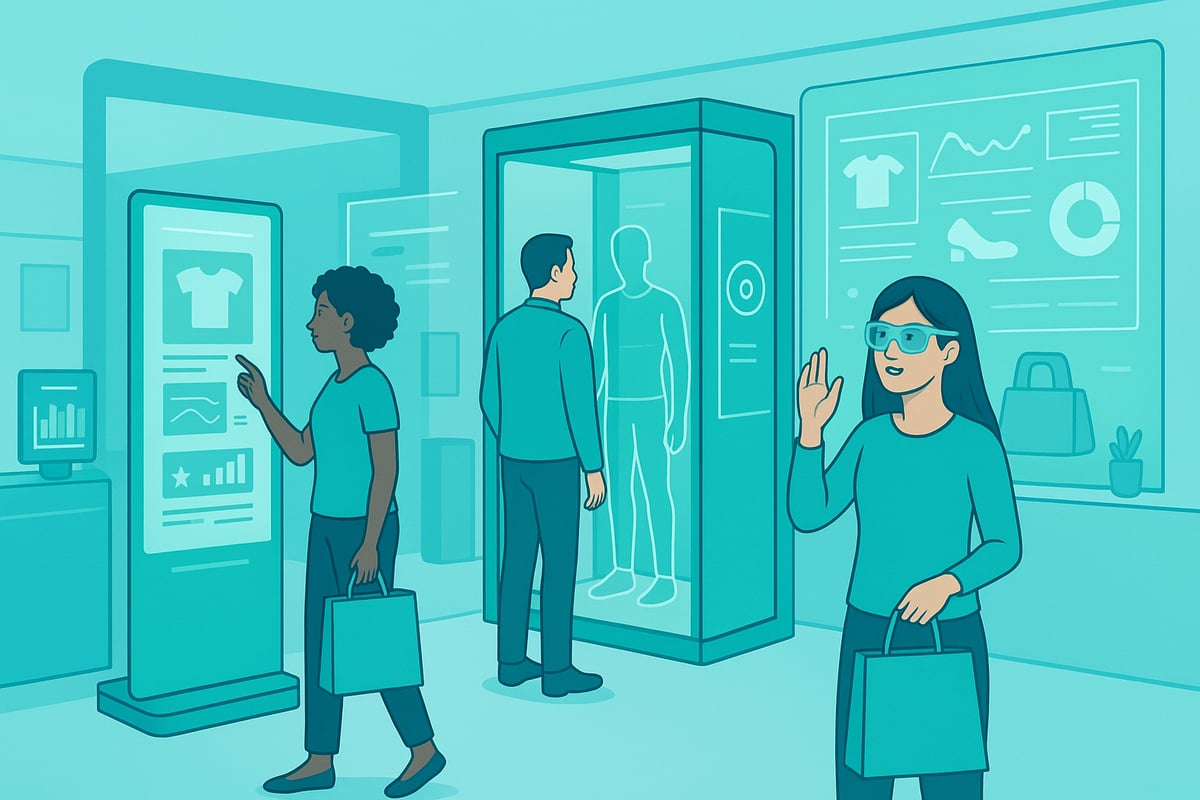
Omnichannel integration is now essential. In 2026, seamless journeys across digital, physical, and hybrid channels are expected, not just appreciated. For example, retailers use smart fitting rooms powered by RFID and augmented reality to create immersive, personalized shopping. According to Digital Experience (2024), 81% of businesses now compete primarily on customer experience, proving that innovation in customer experience is not optional—it is foundational.
Key Drivers and Trends Shaping CX Innovation
What is propelling innovation in customer experience forward? The rapid rise of AI, automation, and advanced analytics is transforming how brands interact with customers. These technologies enable hyper-personalized journeys and empower real-time decision-making. The focus is shifting from transactional encounters to building long-term, relationship-based engagement.
Personalization at scale is no longer a luxury, but a baseline expectation. Customers want brands to recognize their preferences and anticipate their needs across every channel. The rise of customer communities, experience-driven loyalty programs, and peer-to-peer engagement is changing the rules of retention.
A standout example is airlines implementing biometric boarding, which creates effortless, secure travel experiences. For a deeper look at the forces shaping the future, explore Customer Experience Trends 2026, which offers strategic insights for CX leaders. These trends make it clear: innovation in customer experience is driven by technology, data, and a relentless focus on the human element.
The Business Case for CX Innovation
Why invest in innovation in customer experience? The answer is simple: it delivers measurable business impact. There is a direct link between CX and growth, retention, and advocacy. Brands that excel in CX see higher repeat visits, more referrals, and stronger reputations. This earned growth is vital in saturated markets.
Customers have zero tolerance for friction. Differentiation now depends on your ability to innovate and adapt. In crowded markets, innovation in customer experience is not just an advantage—it is necessary for survival and future growth.
The Challenges of Innovating in Customer Experience
Meeting modern customer expectations is more demanding than ever. As organizations race to deliver exceptional experiences, they encounter a complex web of challenges that can stall or even derail innovation in customer experience.
The Challenges of Innovating in Customer Experience
Technology Outpacing Traditional CX Programs
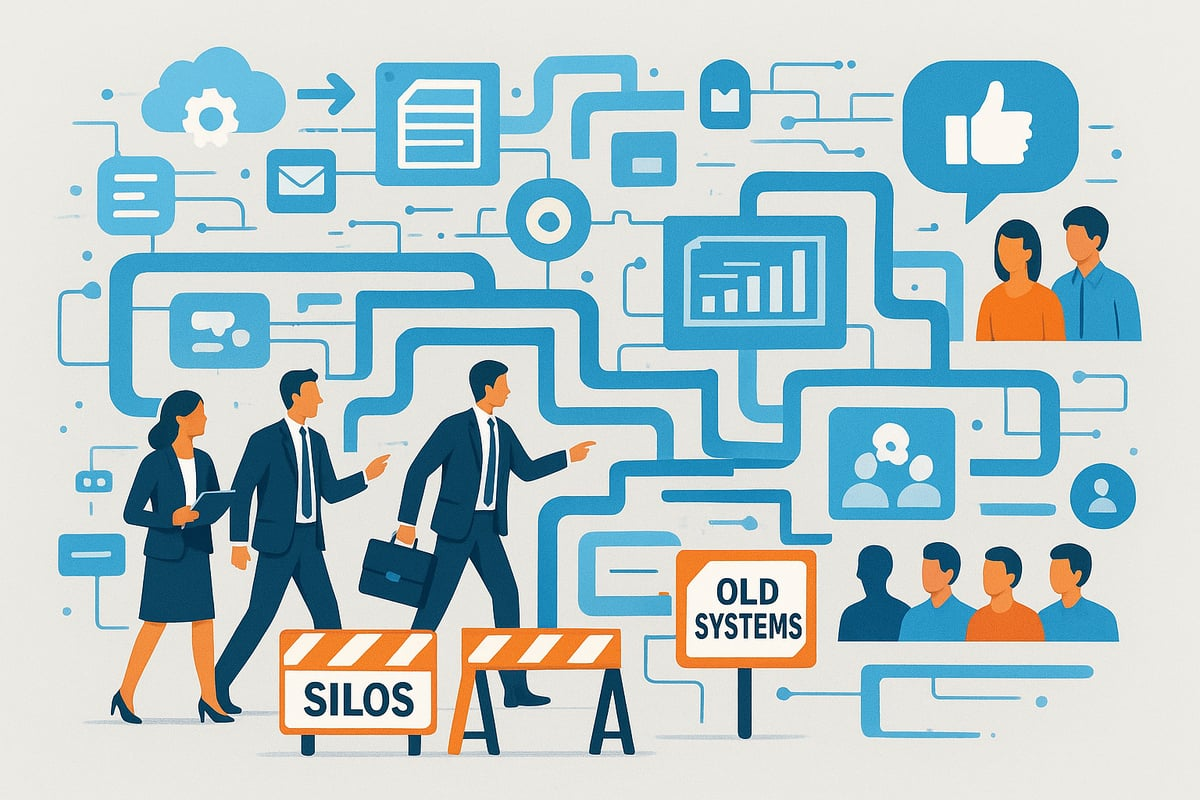
The pace of technological change is relentless. AI, automation, and analytics are evolving so quickly that many legacy CX programs struggle to keep up. Siloed systems and fragmented data make it hard to act on insights or deliver seamless experiences.
Organizations often find it difficult to integrate digital and physical feedback, leading to blind spots. For example, companies may collect reviews online but lack a way to connect them with in-store experiences. This disconnect limits their ability to adapt in real time.
A growing number of brands are realizing they need to modernize their approach. For a deeper exploration of how AI and automation are reshaping the landscape, see AI and automation in CX. Staying ahead requires agile systems designed for ongoing innovation in customer experience.
Rising Customer Expectations and Zero Tolerance for Friction
Customers today have little patience for friction. They expect instant service, hyper-personalization, and consistency across every channel. If a brand fails to meet these standards, customers are quick to take their business elsewhere.
The numbers are striking: 59% of US consumers will leave after several bad experiences, and 17% after just one. Omnichannel expectations are the norm, with seamless transitions from web to mobile to in-person.
Consider hospitality brands using mobile room keys. Guests no longer want to wait at the front desk. Instead, they expect to check in through an app and head straight to their room. These demands make innovation in customer experience essential for retaining loyalty.
Organizational Barriers to CX Innovation
Innovation in customer experience is not just about technology. Internal challenges often slow progress even more than external ones.
Common obstacles include:
Leadership teams that are not fully aligned on CX priorities
Departments working in silos, making cross-functional collaboration difficult
Resistance to change among established teams
KPIs and incentives that do not reward customer-centric actions
For instance, some companies gather real-time feedback but act too slowly because of rigid processes. Without a culture that values speed and experimentation, even the best tools cannot drive meaningful innovation in customer experience.
The Role of Data and Feedback Loops
Consistent, actionable feedback is the lifeblood of innovation in customer experience. Yet, many organizations face gaps in how they collect, share, and act on customer data.
Data silos prevent a unified view of the journey, while delayed or incomplete feedback limits the ability to respond quickly. Agile, iterative approaches are needed to close these gaps and fuel ongoing improvement.
Building effective feedback loops allows teams to learn, test, and refine new ideas. Only by embedding these practices can organizations overcome barriers and make innovation in customer experience a sustainable reality.
Building Blocks of CX Innovation: Foundation for 2026
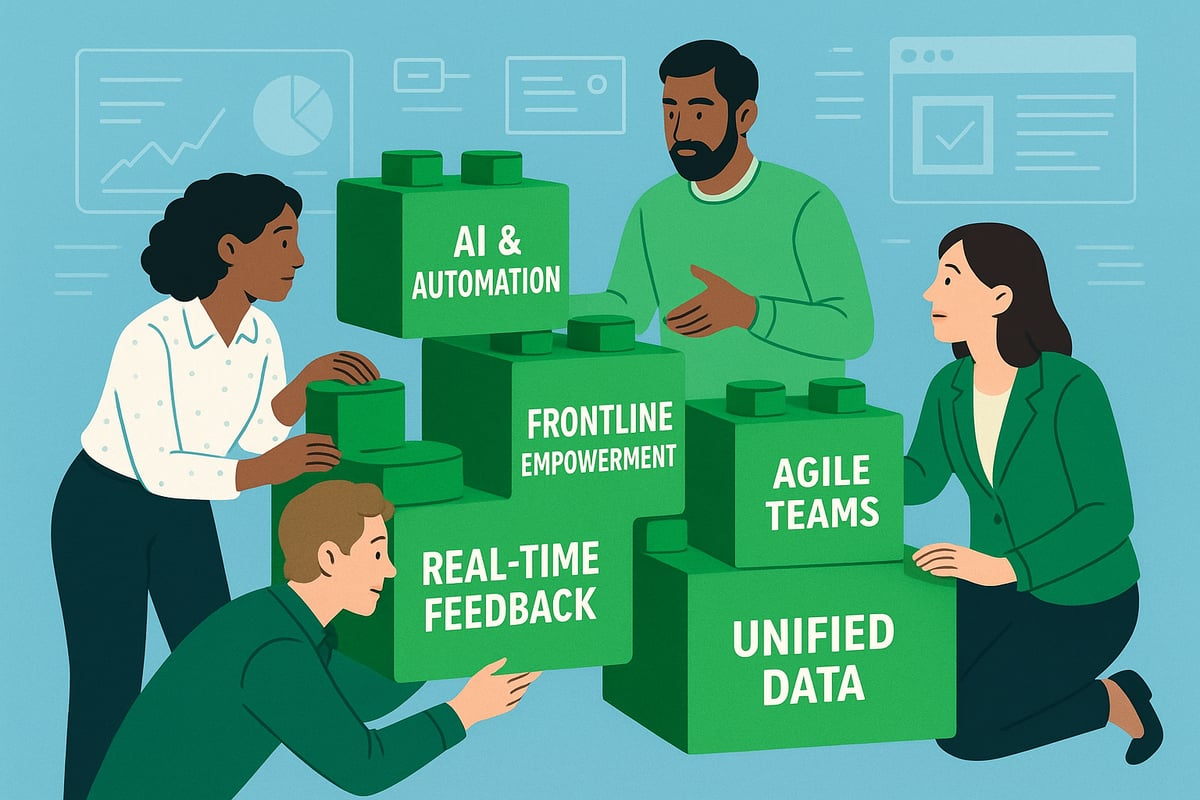
To unlock real growth in 2026, organizations must lay a strong foundation for innovation in customer experience. These building blocks empower brands to adapt quickly, deliver meaningful value, and stand out in a crowded marketplace.
Modern CX innovation is not about one-off projects. It is built on continuous learning, integrated technology, and a customer-first mindset. Let’s break down the essential components every organization should prioritize.
Building Blocks of CX Innovation: Foundation for 2026
Real-Time Customer Feedback and Analytics
Listening to customers in real time is the cornerstone of innovation in customer experience. Businesses must capture insights at every touchpoint, from mobile apps to in-store interactions.
Platforms like AskNicely enable instant survey triggers and rapid feedback routing. This means teams can spot pain points and act before they escalate. For example, retail brands use in-the-moment surveys to understand why a shopper abandoned their cart or to gather feedback after a fitting room visit.
To maximize value, it’s critical to connect feedback with analytics. This turns raw opinions into actionable insights that drive innovation in customer experience. For a deeper dive, see Harnessing customer insights for growth.
The impact is clear:
Faster identification of issues
Quicker resolution of customer problems
Stronger loyalty and repeat business
Continuous listening keeps your brand ahead of shifting expectations.
Empowering Frontline Teams for Daily Innovation
Frontline employees are the heartbeat of innovation in customer experience. They interact with customers every day and often spot trends before anyone else.
Empowering these teams means giving them the right tools. Digital scorecards and live dashboards let staff see feedback in real time. Coaching apps and recognition programs reward problem-solving and initiative.
For instance:
A hotel team uses dashboards to track guest satisfaction and quickly resolve negative feedback.
Retail associates receive alerts about product issues, so they can act before customers complain.
This approach nurtures a culture where everyone feels responsible for CX outcomes. When frontline teams are motivated and informed, innovation in customer experience becomes part of daily operations.
AI, Automation, and Personalization at Scale
AI and automation are redefining the landscape of innovation in customer experience. AI can recognize patterns in massive datasets, analyze sentiment, and predict what customers will want next.
Routine tasks, like order status updates or FAQs, are automated. This frees up staff to focus on more meaningful interactions. Personalization engines use machine learning to recommend products, send targeted offers, or adapt survey questions dynamically.
A recent industry benchmark found that AI adoption in CX has risen 40 percent since 2023. This surge enables organizations to personalize at scale, anticipate needs, and deliver seamless experiences.
By embedding AI and automation, brands make innovation in customer experience a continuous, scalable process.
Connected Systems and Single Source of Truth
Disconnected systems are a roadblock to true innovation in customer experience. Data silos slow down decision-making and prevent teams from seeing the full customer journey.
Integrating CX, CRM, and support platforms creates a single source of truth. This unified view allows for coordinated action and personalized service. For example, a customer service agent can access purchase history, feedback, and support tickets all in one place.
With connected systems, innovation in customer experience is rooted in accurate, real-time data.
Leadership Alignment and Customer-Centric Culture
Executive commitment is essential for driving innovation in customer experience. Leadership sets the tone for a customer-centric culture, ensuring that CX goals align with business strategy and KPIs.
Organizations that put customers first embed this mindset at every level. Leaders model desired behaviors, champion CX initiatives, and prioritize resources for innovation in customer experience.
For example, companies may shift decision-making frameworks to evaluate every action through the lens of customer impact. This alignment ensures that innovation in customer experience is not left to chance, but becomes a sustained priority.
Employee Engagement and Agile Ways of Working
Employee engagement fuels agility, which is vital for innovation in customer experience. Training programs help teams develop digital and CX skills, while agile methodologies support rapid prototyping and iteration.
Cross-functional teams often run design sprints to improve services or fix customer pain points quickly. These agile practices encourage experimentation, allowing organizations to adapt as customer needs evolve.
A culture of engagement and agility ensures that innovation in customer experience is ongoing, not a one-time event. Teams feel empowered to test, learn, and improve, delivering fresh value at every touchpoint.
Step-by-Step Guide to Innovating Customer Experience in 2026
Embarking on the path to true innovation in customer experience requires a clear, actionable roadmap. Whether you are just beginning or looking to refine your approach, following a structured process will help your organization stand out and meet rising expectations.

Step-by-Step Guide to Innovating Customer Experience in 2026
Step 1: Map the End-to-End Customer Journey
The first step in driving innovation in customer experience is to map every touchpoint customers have with your brand. Start by identifying key interactions—online, offline, and hybrid. This comprehensive overview helps you see where customers engage, what they feel, and where friction may occur.
List all stages of the journey, from discovery to post-purchase support. Use customer personas to capture diverse needs and behaviors. Collect baseline data on satisfaction and pain points at each stage, such as through surveys or analytics.
For example, e-commerce brands now map not just their website flows, but also AR try-on features and the in-store pickup process. This holistic approach creates a solid foundation for ongoing innovation in customer experience.
Step 2: Establish Continuous Listening and Feedback Loops
Listening to customers in real time is crucial for innovation in customer experience. Implement feedback tools at every stage, such as Net Promoter Score (NPS), Customer Satisfaction (CSAT), or voice of customer surveys. These give you instant insight into what’s working and what needs improvement.
Analyze both qualitative and quantitative feedback for actionable trends. Create a process to close the loop by responding to customers and communicating changes based on their input. This builds trust and loyalty.
A leading example is financial services firms using chatbots to collect immediate feedback after interactions, allowing them to adapt quickly. These feedback loops are the backbone of responsive innovation in customer experience.
Step 3: Empower Teams and Embed Agile Innovation
Your frontline and cross-functional teams are at the heart of innovation in customer experience. Equip them with training in agile practices, so they can run rapid test-and-learn cycles. Set up workflows that encourage idea generation, experimentation, and quick iterations.
Recognize and reward teams for improvements and innovative ideas. Empowering employees fuels engagement and drives better outcomes for customers. Scorecards and dashboards can help teams track their progress and impact.
If you want to dive deeper into how agile methods can power ongoing CX improvements, explore Agile methods for continuous improvement. Embedding agility is essential to unlocking the next level of innovation in customer experience.
Step 4: Leverage AI and Automation for Personalization
AI and automation are transforming innovation in customer experience by enabling deeper personalization and efficiency. Use AI-driven analytics to predict customer needs, analyze sentiment, and generate tailored recommendations. Automate routine processes so your staff can focus on meaningful human interactions.
For example, streaming platforms use machine learning to suggest content based on viewing patterns, while retailers deploy dynamic surveys that adapt in real time. These technologies allow businesses to deliver experiences that feel unique to each customer.
Investing in AI and automation is a smart move for any organization committed to innovation in customer experience.
Step 5: Integrate Systems for a Unified Customer View
A unified view of the customer is a game-changer for innovation in customer experience. Break down data silos by connecting CX, CRM, and support platforms. This integration ensures everyone in your organization has access to up-to-date insights and customer history.
With connected systems, teams can coordinate actions, personalize communications, and resolve issues faster. Healthcare providers, for example, now integrate telehealth data with in-person records to provide seamless care.
This step creates a single source of truth, making it easier to drive consistent and innovative customer experiences.
Step 6: Measure Impact and Optimize Continuously
Continuous measurement is the final piece of successful innovation in customer experience. Define clear metrics tied to business outcomes like retention, revenue, or NPS. Track both customer and employee feedback to spot trends and improvement areas.
Use analytics to understand what’s working and where you can do better. Build regular review cycles to test new ideas, measure impact, and iterate quickly.
By fostering a culture of measurement and agility, your organization ensures that innovation in customer experience is not a one-time event but an ongoing journey toward excellence.
Industry Examples and Case Studies of CX Innovation
Across industries, innovation in customer experience is reshaping how brands connect with their audiences. Companies are leveraging technology, data, and new business models to deliver more seamless, personalized, and memorable interactions. Let's explore how different sectors are leading the way with practical examples and real-world impact.
Retail: Smart Fitting Rooms and Cashierless Stores
Retailers are at the forefront of innovation in customer experience, reimagining the shopping journey both online and in-store. Smart fitting rooms equipped with RFID technology let customers access product details, request different sizes, and receive personalized recommendations instantly.
Cashierless stores, like Amazon Go, use computer vision and sensors to enable checkout-free shopping. This reduces wait times and streamlines the entire purchase process. For more inspiration, check out these Digital transformation case studies that reveal how leaders in retail have transformed their customer experience strategies.
These innovations are not only boosting convenience but also setting new expectations for the entire industry.
Hospitality: Mobile Room Keys and Personalized Stays
Hospitality brands are elevating innovation in customer experience by integrating digital solutions into every stage of the guest journey. Mobile apps now handle check-in, room access, and service requests, allowing travelers to skip the front desk and get settled faster.
Hotels are using guest history data to personalize amenities, room preferences, and on-site experiences. This approach builds loyalty and makes each stay feel unique. By focusing on seamless digital and physical touchpoints, hospitality leaders are redefining what it means to deliver exceptional service.
Financial Services: AI-Powered Chatbots and Self-Service Apps
Financial institutions are embracing innovation in customer experience through AI-powered chatbots and intuitive self-service apps. Chatbots provide 24/7 support, help with transactions, and answer common questions, reducing wait times and freeing up staff for more complex issues.
Self-service apps empower customers to manage their accounts, transfer funds, and resolve issues on their own. This shift towards automation and personalization is making banking more accessible, efficient, and secure for everyone involved.
Healthcare: Telehealth and Remote Patient Engagement
The healthcare industry is transforming care delivery with innovation in customer experience. Telehealth platforms enable virtual appointments, making healthcare accessible from anywhere. Remote patient monitoring tools track vital signs and send data directly to providers, supporting proactive care.
Integration of digital and in-person records ensures a holistic view of each patient, improving outcomes and satisfaction. By embracing these technologies, healthcare providers are making care more convenient and responsive.
Automotive: Virtual Showrooms and AR Configurators
Automotive brands are redefining innovation in customer experience by using virtual reality and augmented reality. Virtual showrooms let customers explore vehicles, customize features, and even take virtual test drives from home.
AR configurators allow buyers to see different models, colors, and options in real time, enhancing engagement before stepping foot in a dealership. These digital tools streamline decision-making and add excitement to the car-buying process.
Food & Beverage: Mobile Ordering and Loyalty Apps
Restaurants and cafes are using innovation in customer experience to simplify dining and boost loyalty. Mobile apps allow customers to pre-order, customize meals, and pay in advance, reducing wait times and errors.
Loyalty programs integrated into these apps reward frequent visitors with points, discounts, and personalized offers. This digital approach keeps guests engaged and coming back for more.
Technology & Entertainment: Voice Assistants and Immersive Experiences
In the technology and entertainment space, innovation in customer experience is driven by voice-activated devices and immersive technologies. Voice assistants streamline tasks, from playing music to managing smart homes, with simple commands.
Augmented and virtual reality create interactive environments, letting users experience games, concerts, and stories in new ways. AI is fueling even deeper personalization, as explored in AI Ushers In Era of Contextual Intelligence, where contextual intelligence transforms entertainment and engagement.
These advances are blurring the line between physical and digital, offering audiences richer and more tailored experiences.
Best Practices and Future-Proof Strategies for Sustained CX Innovation
To achieve sustained innovation in customer experience, organizations need more than technology—they need a holistic, future-ready approach. The following best practices will help you build a resilient CX strategy that thrives in 2026 and beyond.
Creating a Culture of Continuous Improvement
A culture of continuous improvement is the backbone of sustainable innovation in customer experience. Encourage every team member to contribute ideas, experiment, and challenge the status quo.
Run design thinking workshops to spark creativity.
Celebrate small wins and learn from setbacks.
Share customer stories to reinforce the value of CX.
When everyone feels responsible for CX outcomes, innovation becomes part of daily routines.
Personalization and Anticipation of Customer Needs
True innovation in customer experience requires anticipating needs before customers express them. Use AI and data analytics to predict preferences and deliver personalized interactions.
Analyze purchase history and behavior patterns.
Offer proactive recommendations and solutions.
Adapt experiences in real time to maximize relevance.
Proactive engagement helps you stand out and build lasting loyalty.
Seamless Omnichannel Integration
Customers expect a unified journey across digital, mobile, and physical spaces. Seamless omnichannel integration is essential for delivering consistent experiences.
Sync customer data across all platforms.
Ensure handoffs between channels are frictionless.
Use self-service options to empower users.
Reviewing Top 10 Customer Experience Technology Trends 2026 can reveal which technologies are enabling the most seamless integration today.
Measurement, Analytics, and ROI Tracking
To sustain innovation in customer experience, you must measure what matters. Define clear KPIs linked to both customer and business outcomes.
Monitor customer satisfaction, NPS, and retention.
Track employee engagement and feedback.
Use analytics to pinpoint gaps and opportunities.
Data-driven decisions ensure your efforts generate real value.
Employee Training and Capability Building
Empowered employees drive innovation in customer experience. Invest in ongoing training for digital skills, agile methods, and CX best practices.
Offer workshops on new tools and trends.
Encourage cross-functional learning.
Recognize and reward skill growth.
Well-trained teams can adapt quickly and deliver exceptional results.
Partnering with CX Innovation Experts
Sometimes, external expertise accelerates your journey. Partnering with CX innovation experts can bring fresh perspectives and proven strategies.
Collaborate on transformation roadmaps.
Tap into consultant insights for complex challenges.
Use partnerships to scale innovation initiatives.
Leverage outside knowledge to complement your internal strengths.
Staying Ahead: Monitoring Trends and Adapting Rapidly
The pace of change in innovation in customer experience is only increasing. Regularly scan the market for emerging technologies and shifting customer expectations.
Join industry forums and CX networks.
Analyze competitor moves and market signals.
Run pilot programs to test new ideas.
For a deeper dive into what's next, see the 9 Customer Experience Trends for 2026 and Beyond. Staying agile ensures you always meet evolving customer needs.
As you’ve seen throughout this guide, delivering standout customer experiences in 2026 is all about blending the right strategy, agile methods, and smart technology like AI. If you’re ready to move from inspiration to action and want a partner who can help you rethink how your teams plan, build, and deliver, let’s have a conversation. At Lithe Transformation, we love helping organizations like yours turn ambitious CX goals into real results—faster and smarter. If you’re curious about what’s possible for your business, Contact us now to get started.
