
7 Ways AI and Digital Transformation Will Shape 2026
Change is happening faster than ever as ai and digital transformation rapidly redefine how we live and work. Every day, new breakthroughs make headlines, from smarter healthcare diagnostics to self-driving delivery vehicles.
By 2026, experts predict that ai and digital transformation will reshape entire industries and revolutionize business models. Imagine how these forces will affect your daily experiences, from shopping to banking and beyond.
In this article, we will explore the seven most significant ways ai and digital transformation will impact the world by 2026. Curious about how to prepare? Dive in to discover the trends, strategies, and actionable insights that will keep you ahead of the curve.
The Acceleration of AI and Digital Transformation in 2026
The world is witnessing a rapid surge in ai and digital transformation, reshaping how businesses operate, compete, and deliver value. New technologies are being adopted at an unprecedented pace, setting the stage for industry-wide change by 2026.
The Evolving Landscape of AI Adoption
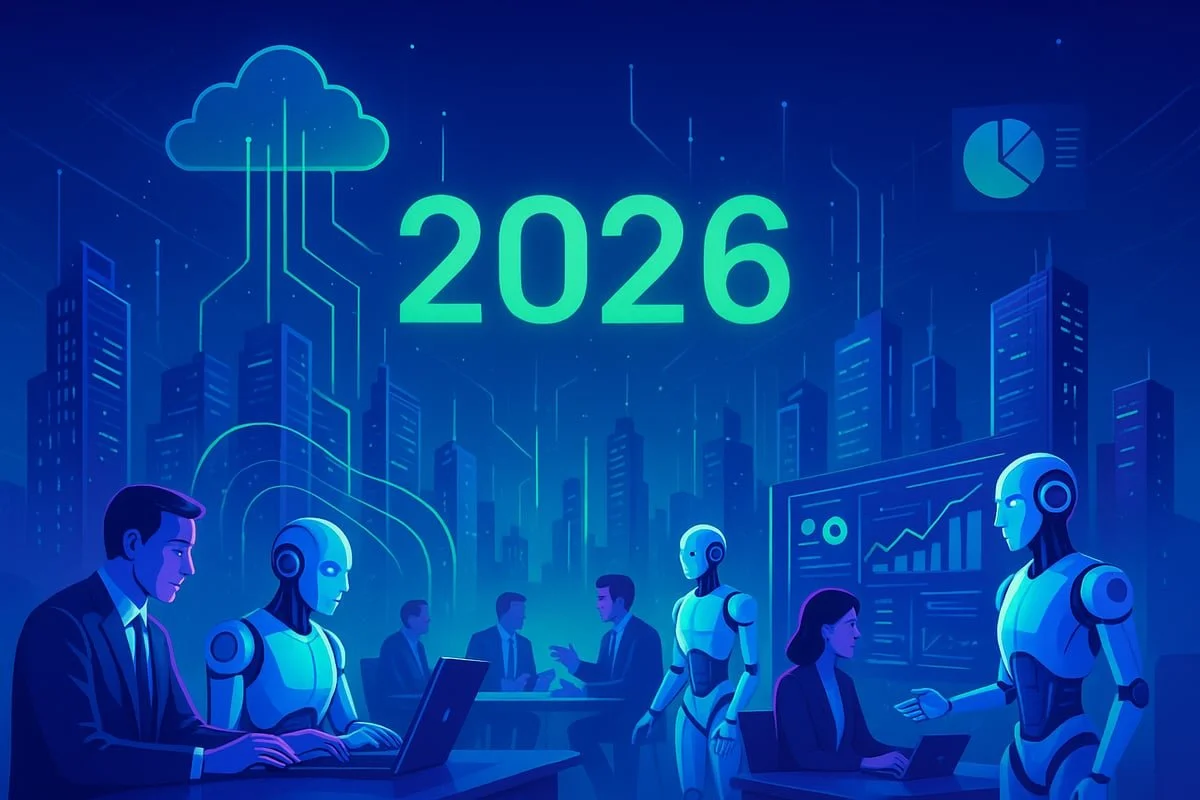
AI and digital transformation are moving from the fringes to the mainstream. By 2026, experts predict that over 75% of large enterprises will have integrated AI into their core operations. This shift is not just about adopting new tools, but about reimagining entire business models.
Recent statistics show that AI adoption is accelerating in workplaces across sectors. According to AI adoption in American workplaces, companies are using AI for everything from healthcare diagnostics to financial services automation. Generative AI and agentic AI are streamlining processes, enabling smarter decision-making, and reducing manual workloads.
The move from isolated pilot projects to enterprise-wide deployments is powered by advancements in cloud computing, data analytics, and automation. These foundational technologies enable organizations to process vast amounts of data in real time and unlock new insights.
However, the journey is not without challenges. Data quality issues, talent shortages, and integration complexity can slow progress. Yet, organizations that overcome these barriers can achieve significant competitive differentiation and disrupt their markets.
The New Rules: Continuous Innovation and Agility
AI and digital transformation are no longer one-time initiatives. Instead, they require organizations to embrace a culture of ongoing change. Agile methodologies and iterative delivery are now essential for keeping pace with technological advances.
To succeed, innovation must be distributed across departments, not just concentrated in IT. This means empowering teams to experiment, learn, and adapt quickly. Executive leaders play a crucial role in setting the vision, removing obstacles, and fostering collaboration across the business.
A compelling case study highlights the power of this approach. When a global organization adopted agile practices at scale, it accelerated product releases and improved customer satisfaction. Teams shifted from rigid, sequential processes to flexible, cross-functional collaboration, making it easier to respond to market changes.
Key strategies for thriving in this new environment include:
Embracing continuous learning and upskilling
Encouraging experimentation and rapid prototyping
Aligning technology initiatives with business goals
By embedding agility and innovation into their DNA, organizations position themselves to fully realize the benefits of ai and digital transformation in 2026.
7 Ways AI and Digital Transformation Will Shape 2026
By 2026, the impact of ai and digital transformation will be visible across every industry and aspect of our lives. From how we work to how we shop, learn, and interact, these forces are rewriting the rules. Let’s explore the seven most significant ways ai and digital transformation are shaping the future.
1. Reinventing Work: Human-AI Collaboration and Workforce Transformation
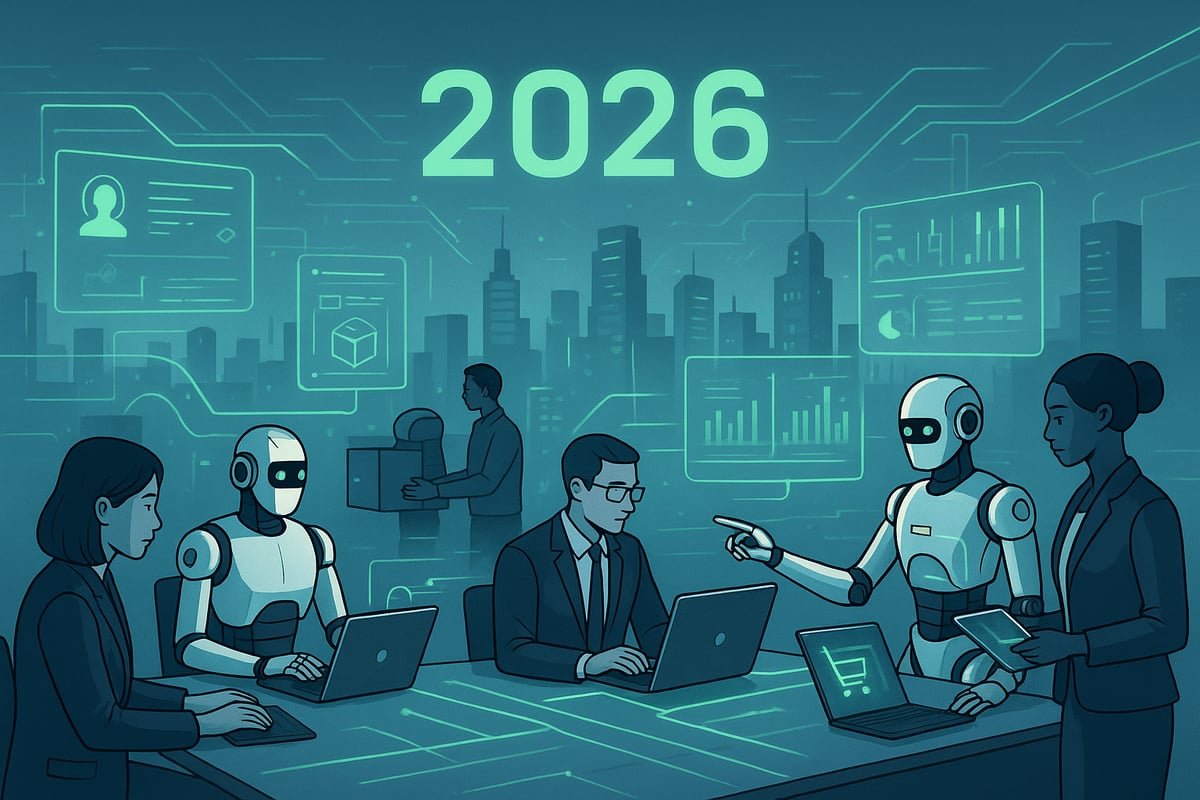
The workplace is undergoing a profound shift as ai and digital transformation become mainstream. Rather than replacing jobs, AI is emerging as a powerful co-worker, augmenting human abilities and streamlining repetitive tasks.
Picture a financial analyst using AI to scan thousands of documents in seconds. Instead of manual data entry, they focus on insights and strategy. In many organizations, “super-agents” and digital assistants now handle scheduling, reporting, and customer inquiries, freeing up staff for more complex work.
This evolution brings new job categories. Roles like AI trainers, prompt engineers, and data ethicists are in demand. Companies are investing heavily in upskilling and reskilling programs to prepare employees for AI-augmented roles. Studies show that organizations embracing ai and digital transformation report up to 40% productivity gains.
However, challenges remain. Talent shortages, change resistance, and ethical concerns around fairness and transparency must be addressed. Financial institutions, for example, use AI for risk assessment and customer service, but must ensure these systems are free from bias.
To succeed, organizations need a holistic approach: continuous learning, clear communication, and robust ethical frameworks. The future of work will be defined by strong human-AI partnerships where both sides thrive.
2. Hyper-Personalization of Customer Experience
Customers expect more than generic offers—they want experiences tailored to their preferences. Ai and digital transformation are making this possible at scale.
Retailers, banks, and digital service providers use real-time data analytics to understand each customer’s behavior. AI-driven recommendation engines suggest products, services, or content that are most likely to appeal to an individual. This kind of hyper-personalization increases engagement and drives sales, with e-commerce platforms reporting up to a 25% boost in conversion rates.
Conversational AI and chatbots are also transforming customer engagement, handling inquiries instantly and with a personal touch. Loyalty programs are shifting from one-size-fits-all to individualized journeys, rewarding customers based on unique behaviors.
But personalization comes with privacy concerns. Regulations like GDPR and CCPA require companies to balance tailored experiences with data protection. The most successful organizations in ai and digital transformation are those that build trust through transparency and robust security practices.
Looking ahead, the future of customer experience lies in building deeper relationships. Businesses that master hyper-personalization will stand out in a crowded market.
3. Intelligent Automation Across Industries
Automation is no longer limited to manufacturing floors. Ai and digital transformation are bringing intelligent automation to every business function, from supply chain to HR.
With robotic process automation (RPA) and intelligent document processing, companies can automate end-to-end workflows. This leads to fewer manual errors, faster cycle times, and significant cost savings. For example, logistics firms use AI-powered route optimization to reduce delivery times and increase customer satisfaction.
The integration of autonomous systems is accelerating, especially in manufacturing, transportation, and healthcare. Smart factories use AI to predict equipment failures and schedule maintenance, minimizing downtime. Hospitals leverage automation for patient scheduling and billing, freeing clinicians to focus on care.
Despite these benefits, integration remains a challenge. Many organizations struggle with legacy systems and interoperability. Success with ai and digital transformation requires careful planning, robust change management, and a focus on measurable outcomes.
Key performance indicators for automation include reduced manual effort, increased throughput, and improved accuracy. As automation spreads, organizations that adapt quickly will gain a competitive edge.
4. Data-Driven Decision Making and Predictive Analytics
Data is the lifeblood of modern organizations, and ai and digital transformation are unlocking its full potential. AI transforms raw information into actionable insights, empowering leaders to make smarter decisions.
Predictive analytics helps companies forecast demand, manage risk, and allocate resources with precision. For example, retailers use AI-powered analytics to optimize inventory, reducing stockouts by up to 30%. Real-time dashboards and advanced visualization tools make it easy to spot trends and respond quickly.
Effective data governance is crucial. Organizations must ensure their data is accurate, secure, and compliant with regulations. Establishing a single source of truth and democratizing access to data helps break down silos and foster a culture of evidence-based decision making.
Overcoming challenges like imperfect or fragmented data is essential for success in ai and digital transformation. The organizations that manage their data well will lead the way in innovation and agility.
5. Industry-Specific AI Innovations
Every sector is experiencing unique advances thanks to ai and digital transformation.
Let’s look at how key industries are evolving.
In healthcare, AI supports early diagnosis and personalized medicine, improving patient outcomes. Financial institutions leverage AI for fraud detection and compliance, reducing risk and operational costs.
Manufacturing is being transformed by predictive maintenance and smart factories, while logistics companies use AI for demand forecasting and real-time tracking. The public sector is deploying AI for digital citizen services and smarter urban planning.
Case studies from leading organizations show that industry-specific ai and digital transformation deliver strong competitive advantages. Success depends on tailoring solutions to each sector’s unique challenges and opportunities.
6. New Business Models and Revenue Streams
Ai and digital transformation are enabling organizations to create entirely new products, services, and business models. Companies are launching AI-powered subscription services, digital marketplaces, and platform ecosystems.
The rise of AI-as-a-Service (AIaaS) lets businesses access advanced capabilities without heavy upfront investment. Data and algorithms themselves are now valuable assets, opening fresh paths to monetization.
Partnering with startups and technology providers accelerates co-innovation. For example, enterprises are building ecosystems that bring together data, talent, and tools to solve complex problems. Challenges remain, such as defining intellectual property rights and developing sustainable pricing models.
Disruptive innovation is a constant theme. New entrants can quickly capture market share by leveraging advanced AI. For a deeper exploration of how AI is reshaping business models, see AI's impact on business models.
In 2026, organizations that embrace ai and digital transformation will unlock new revenue streams and set the pace for their industries.
7. Strengthening Trust, Ethics, and Responsible AI
Trust is foundational for the widespread adoption of ai and digital transformation. As AI systems play a bigger role in our lives, ethical considerations are moving to the forefront.
Regulations are evolving rapidly, with the EU AI Act and other global standards expected to take effect by 2026. Organizations are responding by creating AI ethics boards, developing responsible AI frameworks, and investing in explainable AI systems.
Managing data privacy, security, and bias is critical. Businesses are implementing strategies to ensure transparency and accountability, which in turn protect brand reputation and foster customer loyalty.
The business case for ethical AI is clear. Responsible practices reduce risk, build trust, and enable sustainable growth. Looking forward, trends like self-regulating AI and automated compliance monitoring will help organizations keep pace with evolving expectations.
Leaders in ai and digital transformation will be those who put ethics and trust at the heart of their AI initiatives.
Building the Foundation: Data, Talent, and Culture for 2026
Laying a strong foundation is essential for successful ai and digital transformation. As organizations race to harness AI’s potential, three pillars stand out: robust data governance, a skilled workforce, and a culture of continuous innovation. Without these elements, even the most advanced technologies can fall short of delivering real value.
Data Governance and Infrastructure Readiness
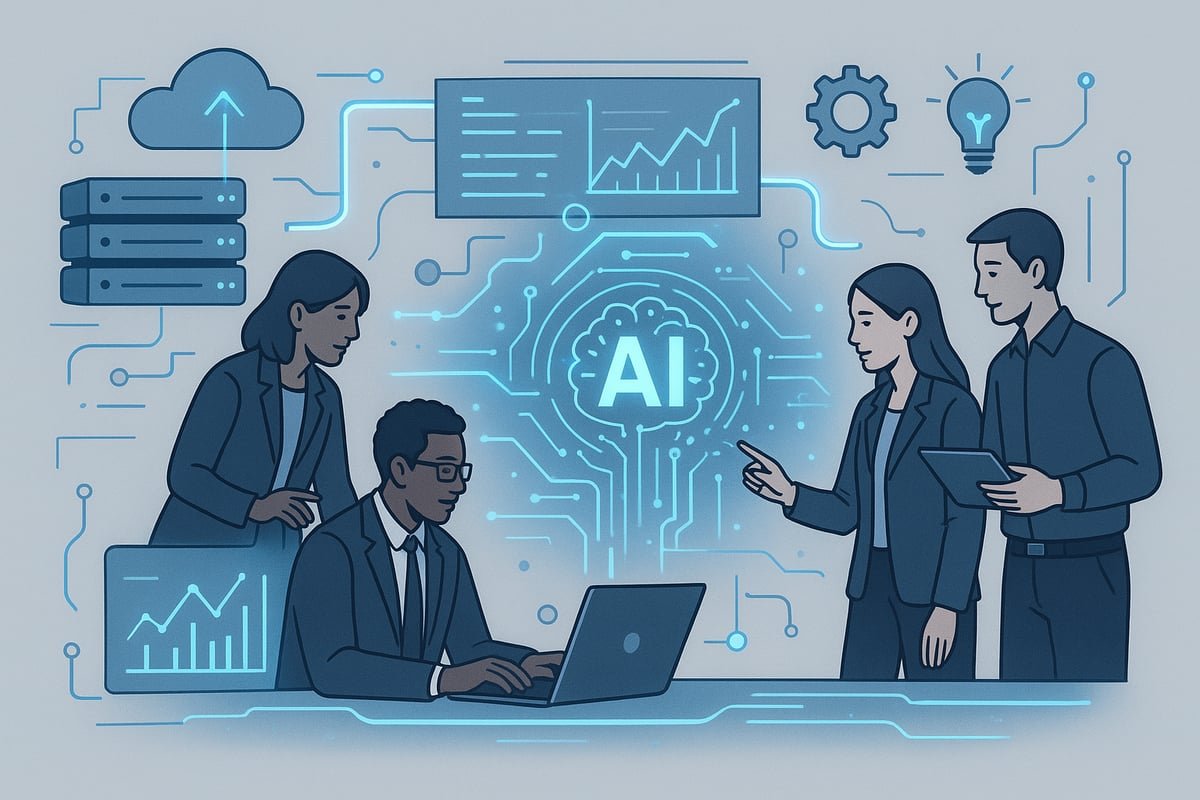
High-quality, well-governed data is the backbone of ai and digital transformation. Organizations face challenges like fragmented data silos, outdated legacy systems, and the need for real-time integration. Overcoming these obstacles requires a strategic approach.
Key strategies for data readiness include:
Establishing a single source of truth across the enterprise.
Investing in modern data platforms and cloud-based architectures.
Building robust data governance frameworks to ensure privacy and compliance.
For example, leading enterprises are leveraging cloud data lakes to enable scalable analytics and faster insights. Data privacy and security are also top priorities, especially as data becomes more distributed. By addressing these fundamentals, companies create an environment where AI can thrive and deliver measurable impact.
Talent and Organizational Change
The rapid evolution of ai and digital transformation demands a new set of skills and roles. Organizations must focus on attracting and developing talent in areas like data engineering, AI development, and agile leadership. Upskilling and reskilling programs are essential to keep pace with changing technologies.
Key talent strategies include:
Launching digital academies and continuous learning initiatives.
Forming cross-functional teams to drive end-to-end innovation.
Creating a modern technology environment to retain top performers.
Real-world success stories, such as building the AI operating system for commercial teams, show that investing in people is just as critical as investing in technology. By empowering employees with the right skills and tools, organizations unlock new levels of productivity and innovation.
Culture of Innovation and Continuous Improvement
A thriving culture is the secret ingredient for sustainable ai and digital transformation. Fostering curiosity, experimentation, and collaboration helps organizations move from isolated pilot projects to enterprise-wide transformation. Leadership plays a crucial role in aligning teams around a shared vision and common language.
To cultivate an innovation-driven culture:
Encourage experimentation and accept failure as a learning opportunity.
Promote collaboration across departments and disciplines.
Recognize and reward creative problem-solving.
Case studies show that companies embracing these cultural shifts achieve greater resilience and adaptability. As organizations build on their foundational strengths, they position themselves to lead in the era of AI.
Overcoming Challenges and Unlocking Value from AI Transformation
Successfully navigating the journey of ai and digital transformation requires more than just adopting new technologies. Organizations must address strategic, operational, and cultural challenges to unlock true value. Let us explore the key areas that drive sustainable transformation and help businesses overcome obstacles.
Strategic Alignment and Business Problem Focus
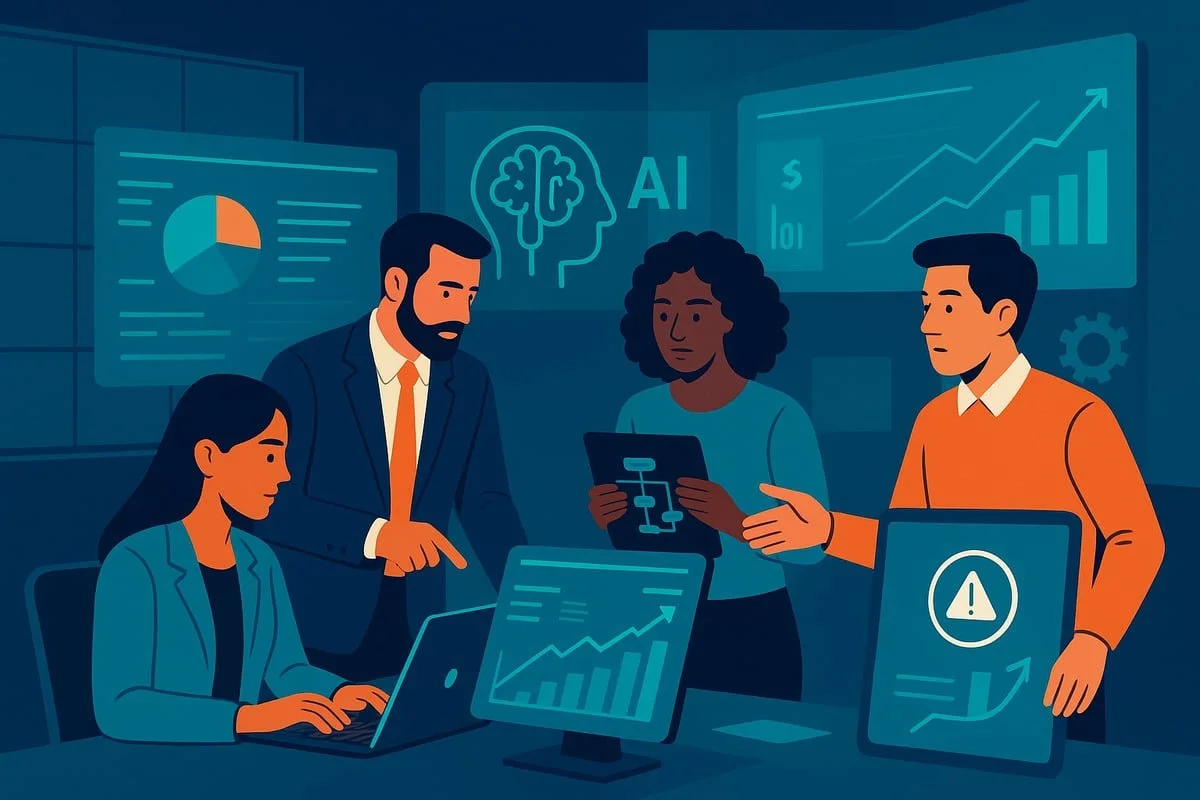
The first step in ai and digital transformation is ensuring every initiative starts with a clear business problem. It is easy to get caught up in technology hype, but true impact comes from aligning transformation with measurable business goals.
Leaders should encourage teams to define desired outcomes early. For example, improving customer satisfaction, reducing costs, or increasing operational efficiency. By focusing on the problem, technology becomes an enabler, not the driver.
Organizations that prioritize business-led transformation often use AI-enhanced workflows in enterprises to streamline processes and deliver better results. This approach also reduces the risk of wasted investment in solutions that do not address real needs.
Funding, Governance, and Risk Management
A critical challenge in ai and digital transformation is moving from traditional project-based funding to persistent, flexible investment models. Continuous innovation demands resources that adapt as priorities shift. Companies must empower teams to experiment, while ensuring proper oversight.
Governance frameworks help manage risk and maintain compliance. This involves collaboration among IT, HR, finance, and risk departments. Leaders should set clear guidelines for data security, privacy, and ethical use of AI.
Risk management is proactive in successful organizations. They monitor AI initiatives from the start, identifying and mitigating potential issues before they escalate. This balance of agility and control is essential for sustainable transformation.
Measuring ROI and Scaling Success
Measuring the return on investment for ai and digital transformation goes beyond traditional metrics. Organizations need to track both financial and non-financial outcomes, such as innovation speed, customer experience, and employee engagement.
Early wins are vital. By identifying high-impact projects and showcasing results, companies can build momentum and encourage wider adoption. Continuous measurement and adaptation ensure that transformation efforts remain aligned with business goals.
Scaling success requires a culture of learning. Teams must share insights and best practices, fostering an environment where transformation is an ongoing journey, not a one-time event.
References
Staying informed is crucial as ai and digital transformation rapidly evolve. Explore these authoritative sources, industry reports, and case studies for deeper insights:
Forbes: AI's role in enterprise transformation — A comprehensive look at enterprise AI trends shaping 2026.
ThinkLithe: Predictive AI in decision making — Practical examples of predictive analytics in business transformation.
Gartner: Top Strategic Technology Trends for 2026 — In-depth analysis of upcoming shifts in ai and digital transformation.
McKinsey: The State of AI in 2025 — Research on adoption rates, challenges, and future forecasts.
IDC: Worldwide AI Spending Guide — Data-driven insights into global investment in AI technologies.
Accenture: AI for Business Value Report — Best practices for maximizing ROI from digital transformation initiatives.
Deloitte: Digital Transformation and AI Case Studies — Real-world organizational success stories.
These resources will help you stay ahead in the fast-changing ai and digital transformation landscape.
As we’ve explored, AI and digital transformation are set to reshape everything from how we work to the very business models that drive growth by 2026. If you’re wondering how your organization can stay ahead—by building the right data foundation, nurturing new skills, and creating a culture ready for change—you don’t have to figure it out alone. At Lithe Transformation, we help you turn big ideas into real results, guiding you from strategy to hands on delivery every step of the way. Ready to start your own transformation journey? Contact us now to get started