
Imagine having an incredible idea in 2026 and seeing it become more than just a dream. The journey to create a product can seem daunting, but with the right steps, anyone can bring their vision to life.
This guide gives you a clear, step-by-step path to create a product successfully, covering everything from the first spark of inspiration to a full market launch. You’ll discover the latest strategies for validating ideas, designing, prototyping, manufacturing, and launching with confidence.
The gap between a good idea and a successful product is real, but you can bridge it. By following proven methods, you minimize risk and stand out in a fast-moving, innovation-driven world. Ready to get started? Let’s dive in and turn your product idea into reality.
Understanding What Makes a Product Successful in 2026
Imagine you want to create a product that stands out in 2026. The landscape is shifting fast, and what worked before might not guarantee success anymore. To create a product that thrives, you need to understand what truly sets winners apart. Let’s dive into the evolving market, consumer expectations, and the common traps that can derail even the best ideas.
Evolving Market Expectations and Consumer Trends
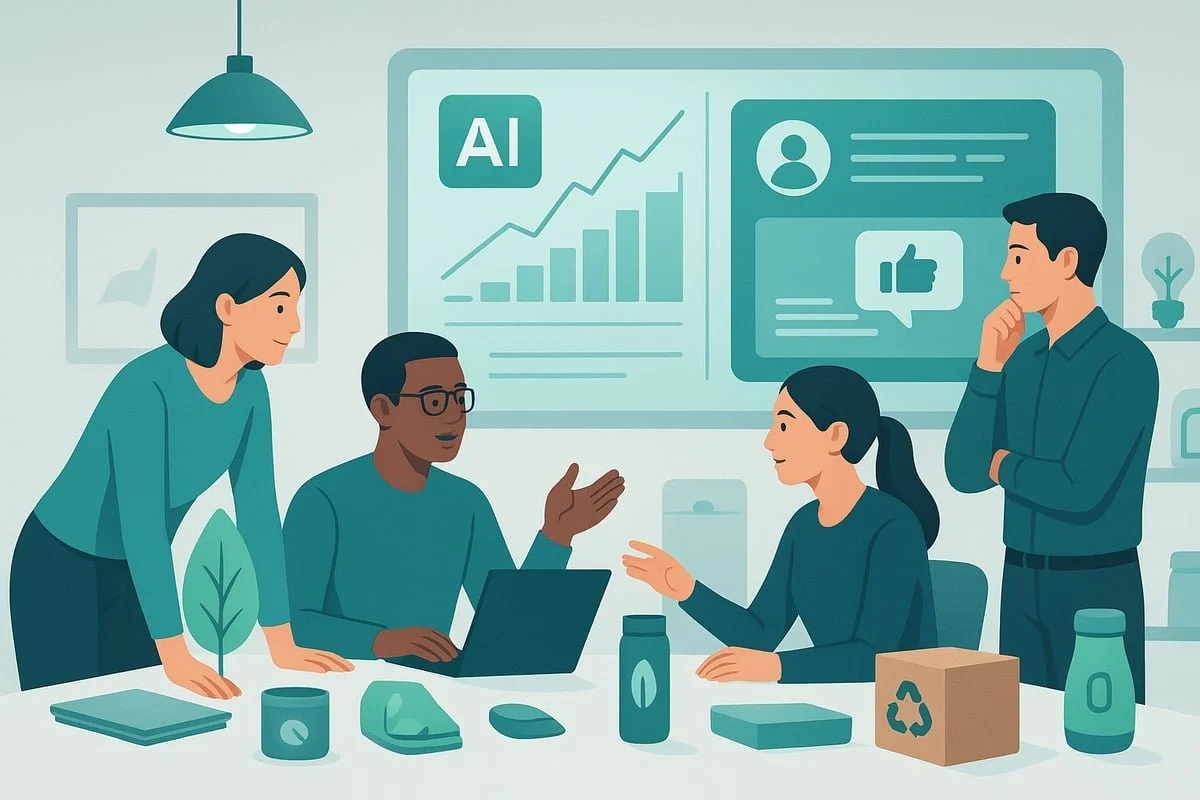
To create a product that captures attention in 2026, you must put the customer first. Products are no longer just about function. They must solve real, validated problems, as over 60 percent of new products still fail due to poor market fit.
Take the Oura Ring. Its blend of health tech and wearable style shows how solving genuine needs with thoughtful design drives success. Sustainability and ethical sourcing are now baseline expectations, not optional extras.
Digital transformation is reshaping how companies create a product. AI is at the heart of this shift, speeding up innovation, personalizing solutions, and powering smarter development. According to Product Development Trends 2026, generative AI and AI-augmented design are becoming essential tools for trend spotting and rapid prototyping.
Rapid feedback loops and continuous iteration minimize risk. Brands that listen and adapt quickly are more likely to create a product that resonates. Even unboxing experiences and branding matter now, making the first impression unforgettable.
Success today depends on delivering holistic value—combining function, experience, and ethics. If you want to create a product that lasts, keep these trends at the center of your strategy.
Common Pitfalls and How to Avoid Them
Many teams rush to create a product without validating their ideas. This often leads to costly mistakes and wasted investment. Skipping market research or ignoring customer feedback is a recipe for failure.
Supply chain complexity is another trap. In a globalized market, overlooking logistics can delay your efforts to create a product and harm your reputation. Intellectual property protection is critical too. Without it, you risk copycats and lost market share.
Building a community is often underestimated. Early adopters can be your most powerful advocates when you create a product. Look at Apple’s AirPods. By eliminating cords, they created a new billion-dollar category and inspired a loyal following.
Here are some common pitfalls to avoid:
Rushing to market without real validation
Overlooking supply chain and manufacturing details
Ignoring intellectual property and legal safeguards
Failing to build a community or engage early adopters
Remember, success is not about luck. It is about following a process and learning from each step as you create a product. Engineering a win means staying disciplined, responsive, and always ready to adapt.
Step 1: Idea Generation and Validation
Turning an idea into a real product starts with a strong foundation. Before you create a product, you need a repeatable approach to spark innovation, test assumptions, and learn from every step. In 2026, successful creators know that every great product starts with a system, not just a spark of inspiration.
Systematic Approaches to Idea Generation
To create a product that stands out, you need more than a lightbulb moment. Systematic methods help you look at problems from every angle.
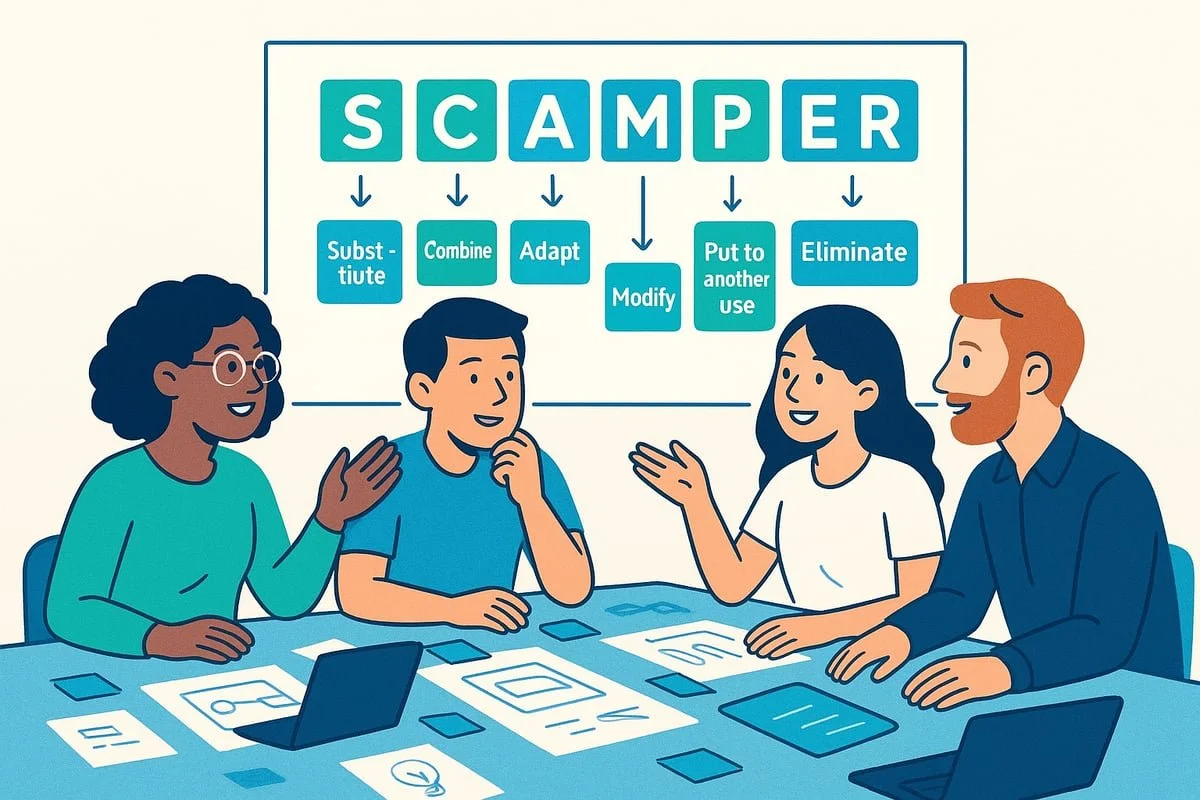
One popular approach is the SCAMPER model. This tool prompts you to Substitute, Combine, Adapt, Modify, Put to another use, Eliminate, and Reverse elements of existing solutions. For a deeper dive, see this SCAMPER Method Overview. By applying SCAMPER, you might, for example, substitute traditional shoe materials and create a product like Crocs—waterproof and lightweight.
Borrowing ideas from other industries also sparks innovation. WANDRD, for instance, created camera bags by adapting features from camping gear. Today, AI tools can help you create a product by spotting trends and mapping new opportunities quickly. Platforms that analyze social and search data uncover hidden needs faster than ever.
Diversity in brainstorming is vital. Teams with varied backgrounds bring fresh perspectives, which often leads to breakthrough ideas. Remember, many successful inventions come from improving what already exists, not inventing from scratch.
Validating Your Product Idea with Real Data
Once you generate ideas, real-world validation is the next step. Before you invest to create a product, check if people actually want it.
Start by using Google Trends to see if your concept matches rising search patterns. Competitor analysis is also key; competition usually signals genuine demand. Engaging with communities on Reddit or niche forums can reveal honest feedback and help you refine your idea.
Building a waitlist landing page is a practical way to measure real interest. If people sign up, you know you’re on the right track to create a product that resonates. Crowdfunding platforms like Kickstarter and Indiegogo are the ultimate test—customers commit their money, proving demand and helping you raise development funds.
According to LaunchBoom, crowdfunding campaigns not only validate your idea but also provide early capital. Desk Nest’s cat bed, for example, was validated in customer forums before it ever went to market. Using these data-driven methods reduces risk as you create a product people genuinely want.
Iterative Feedback and Early Testing
Testing your assumptions early saves time and money. Rapid prototyping lets you create a product sample quickly and see how it performs in the real world.
Share early prototypes with your target audience and gather both qualitative and quantitative feedback. Listen closely to what users say and watch how they interact with your product. If you spot issues, pivot and refine before making big investments.
Early failures are not setbacks, but stepping stones. Each test teaches you something new and brings you closer to the right solution. The best way to create a product that succeeds is to treat feedback as fuel for improvement, not as criticism.
Step 2: Research, Planning, and Concept Design
Turning a breakthrough idea into reality starts with careful research and thoughtful planning. To create a product that stands out in 2026, you need a clear vision, deep market understanding, and a user-centered approach from day one.
Mapping Out the Product Vision
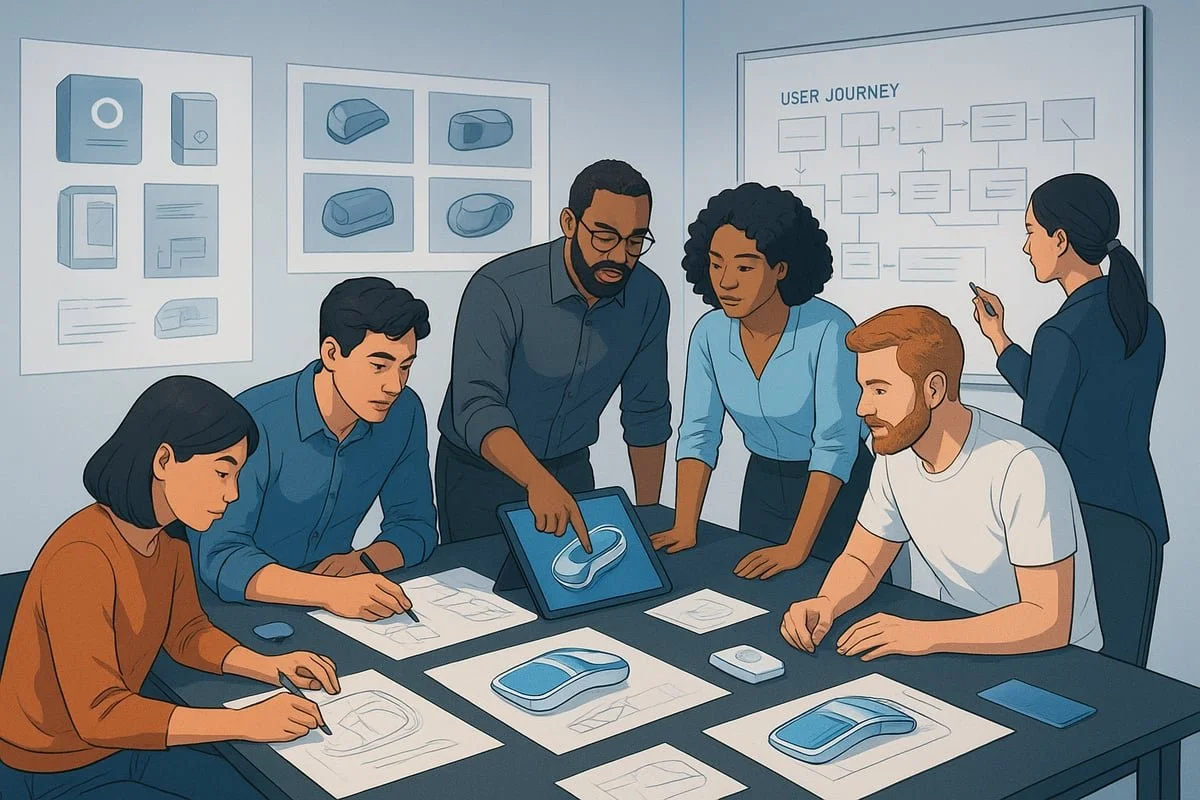
Before you create a product, begin by visualizing what success looks like. Start with rough sketches, whether on paper or digital platforms, to bring your concept to life. List all the components, features, and materials you envision, and think through the ideal user experience.
Define both the functional and emotional value your product will offer. Ask yourself: How will it improve lives or solve problems? Early planning should also address manufacturability and scalability, ensuring your design can grow with demand. By clarifying your vision, you lay the strongest foundation to create a product with true impact.
Market and Competitor Research
A deep dive into the market is essential when you set out to create a product. Analyze competing products by reviewing features, pricing, and customer feedback. Identify where competitors fall short, and look for gaps your idea can fill.
Data shows that over 70 percent of successful products target a specific, underserved need. For example, Chillshark succeeded by reversing the usual approach to wellness products, focusing on overlooked pain points. Use tables to compare competitor offerings and spot opportunities for differentiation. Solid research helps you position your product effectively and avoid costly missteps.
Defining Target Audience and Use Cases
To create a product people love, you must understand your target audience. Develop detailed user personas by mapping out potential customers’ habits, pain points, and purchasing motivations. Consider their daily routines, challenges, and what drives them to seek solutions.
User journey maps help visualize each step, from discovery to purchase and use. For instance, Igloo’s KoolTunes cooler identified outdoor music lovers as a niche market and built features around their needs. The more precisely you define your audience, the more effectively you can tailor your product and messaging.
Laying the Foundation for Go-to-Market Strategy
Strategic planning for launch begins early as you create a product. Think about the unboxing and first-use experiences, which can powerfully influence brand perception and word of mouth. Align your product’s features with a compelling story and visual identity, ensuring consistency across packaging and marketing materials.
Start considering pricing, positioning, and distribution channels. For a deeper dive into aligning technical development with effective launch strategies, see Go-to-market engineering explained. Laying this groundwork now will set your product up for a smooth and successful entry into the market.
Step 3: Design, Prototyping, and Iteration
Turning your idea into reality is where you truly start to create a product that stands out. This stage bridges imagination and execution, bringing your concept to life through structured design, prototyping, and constant iteration.
Turning Concepts into Tangible Prototypes
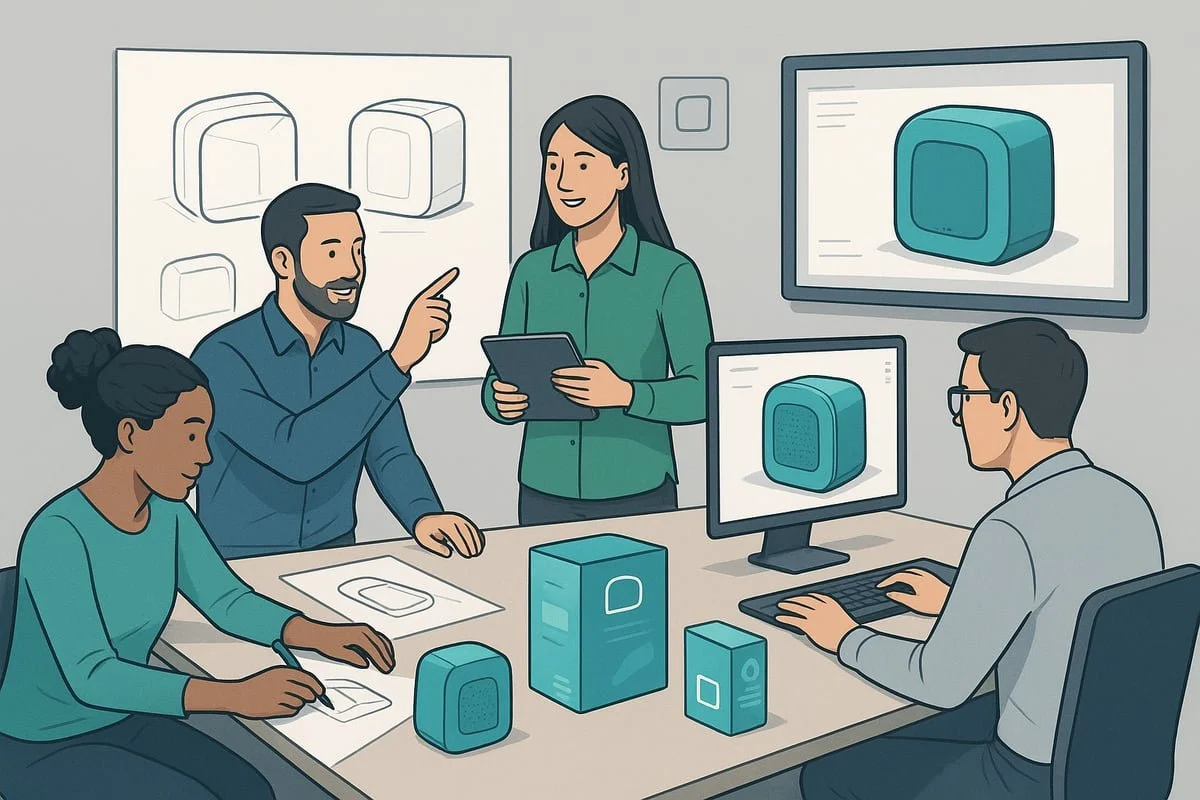
To create a product that solves real problems, you need to transform your ideas into something you can see and touch. Start with simple sketches or digital renders to visualize your concept. Move quickly to physical models using 3D printing, hand-built prototypes, or even basic materials like foam and cardboard.
Decide if you will prototype yourself or hire professionals. Freelancers and prototyping agencies can add valuable expertise when you need refined results. The key is to embrace an iterative cycle: build, test, gather feedback, and refine. Each round brings you closer to a product that meets user needs.
Iterative development is the backbone of modern product creation. For a deeper dive into how continuous improvement drives successful iteration, explore continuous improvement practices.
Testing for Functionality and User Experience
Once you create a product prototype, put it in the hands of your ideal customers. Real users will spot usability issues and provide honest feedback you might miss. Testing early and often helps you fix problems before investing heavily in manufacturing.
Consider both qualitative and quantitative feedback. Ask users about their experience, but also observe how they interact with your prototype. For example, Apple’s research revealed that people disliked tangled cords, which inspired the wireless AirPods.
Iterative prototyping is proven to reduce production errors and returns by 30 percent. Remember, every test is a chance to improve and create a product that truly resonates.
Industrial and Packaging Design Considerations
When you create a product, design is about more than looks. Industrial designers play a crucial role in balancing aesthetics, functionality, and manufacturability. A great design not only delights users but also ensures your product can be produced at scale.
Packaging is another powerful tool. It protects your product and shapes first impressions. Premium unboxing experiences drive social sharing and can turn customers into brand advocates. Consider how packaging reflects your brand story and adds value beyond the product itself.
Align design choices with your overall branding and marketing to create a product experience that stands out from competitors.
Intellectual Property and Legal Safeguards
Protecting your idea is essential as you create a product and prepare for launch. Consider filing patents, trademarks, or design protections early to safeguard your innovation. Research existing intellectual property to avoid infringement and costly legal battles.
When working with partners, suppliers, or freelancers, always use non-disclosure agreements (NDAs). These documents help protect your designs, prototypes, and business secrets. Taking these legal steps ensures your hard work remains uniquely yours and prevents copycats from capitalizing on your efforts.
Step 4: Sourcing, Manufacturing, and Supply Chain Management
Sourcing and manufacturing are where your plans to create a product move from ideas to reality. This stage is all about making smart decisions that will directly impact your product's quality, cost, and long-term success. Let's break down the essentials for building a supply chain that sets your product up for a smooth launch and sustainable growth.
Finding the Right Manufacturing Partners
Choosing the right partners is a critical step as you create a product that stands out. Start by researching manufacturers through platforms like Alibaba, Google, and industry referrals. Always vet potential partners by checking their track record, communication style, and sample quality. It is wise to maintain at least two suppliers, which helps reduce the risk of delays or disruptions.
Key criteria when evaluating manufacturers:
Product quality and consistency
Transparent pricing and lead times
Reliable communication and responsiveness
Experience with similar products
A strong partner will not only deliver what you need but also support your growth plans. LaunchBoom, an industry leader, recommends dual-sourcing for added resilience. As AI becomes integral to manufacturing, AI Integration in Product Development is rapidly changing how companies select and manage suppliers. Companies that adopt these digital tools gain a competitive edge as they create a product.
Costing, Budgeting, and Profitability Analysis
Accurate budgeting is essential when you create a product, as underestimating costs can erode profits. Begin with a detailed COGS (Cost of Goods Sold) spreadsheet. This should include prototyping, tooling, unit production, shipping, customs, and warehousing.
Most products take 8 to 12 months from concept to launch, with costs varying by complexity. Always calculate true profitability before committing to large-scale production. Double-check numbers, and keep a buffer for unexpected expenses. This disciplined approach ensures you create a product with healthy margins and growth potential.
Quality Control and Production Readiness
Quality assurance is non-negotiable if you want to create a product customers will trust and recommend. Build QC into every stage, from pre-production samples to final inspections. Insist on certifications and documented processes. Many successful brands conduct random inspections and require suppliers to send production samples before approving a full run.
Steps for robust quality control:
Inspect first articles and samples
Specify acceptable tolerances in contracts
Schedule in-process and final inspections
Use third-party QC firms for unbiased results
Logistics planning is equally important. Consider warehousing, fulfillment, and scalable shipping solutions. As you create a product, anticipate future growth and build flexibility into your supply chain to handle demand spikes without sacrificing quality.
Protecting Your Supply Chain and Product Integrity
As you create a product, protecting your supply chain ensures your investment and reputation are safe. Secure clear contracts with all manufacturers and partners, spelling out deliverables, timelines, and payment terms. Intellectual property protection is critical—register patents, trademarks, and designs where needed.
Key strategies for supply chain protection:
Use NDAs with suppliers and partners
Monitor for counterfeit goods online and offline
Regularly review supplier performance and compliance
Set up systems for tracking and tracing products
Building strong, transparent relationships with your partners helps prevent costly surprises. By proactively managing risk, you can confidently scale as you create a product that meets market expectations and stands out from the competition.
Step 5: Launch Planning, Branding, and Go-to-Market Execution
Bringing your idea to life means more than just building a great product. To truly create a product that stands out in 2026, you need a launch plan that weaves together branding, marketing, and go-to-market tactics. This stage is where vision meets reality, and success depends on preparation, storytelling, and adaptability.
Building a Strong Brand from the Start
To create a product that captures attention, integrate branding into every aspect from day one. Think beyond logos—your product design, packaging, and messaging should all tell a consistent story. A compelling brand identity helps your product connect emotionally with customers.
Consider the Oura Ring, which positioned itself as both a health device and a sleek fashion accessory. This dual identity helped it win over both tech enthusiasts and style-conscious consumers. When you create a product, involve early adopters and community members in your story. Their feedback and advocacy can amplify your brand’s reach.
Remember, branding is not just decoration. It is a critical part of your launch strategy, directly impacting how people perceive and share your new offer. Given that most new products struggle to find a market fit, focusing on branding from the outset can help you avoid the pitfalls highlighted by Product Development Failure Rates.
Pre-Launch Marketing and Audience Building
Long before you create a product ready for store shelves, you need to build anticipation. Start with teaser campaigns, exclusive previews, and waitlists. These tactics help you gauge real interest and build an engaged audience.
Use social media, content marketing, and influencer partnerships to spread the word. Crowdfunding platforms like Kickstarter do double duty—they validate demand and generate buzz. In fact, successful campaigns often raise over 30 percent of their funds in the first 48 hours, thanks to strong pre-launch efforts.
Building a following before you create a product ensures that you have a supportive community ready to champion your launch. Make every interaction count, from email sign-ups to social shares.
Launch Execution and Sales Channels
When you create a product, choosing the right sales channels is crucial. Will you launch direct-to-consumer (D2C), work with retailers, use online marketplaces, or combine these approaches? Each option has its strengths, so align your choice with your brand and audience.
Careful inventory planning and fulfillment strategies help you avoid stockouts or costly overstocks on launch day. Desk Nest used Kickstarter both for initial funding and as a sales channel, allowing them to test demand and reach early customers efficiently.
No matter which channel you choose, make sure your product is ready for prime time. A smooth launch experience builds trust and sets the stage for positive reviews and repeat business.
Post-Launch Feedback and Iteration
Your job is not done once you create a product and launch it. Set up systems to collect customer feedback through surveys, support channels, and social media. Use this input to identify improvements and quickly iterate on your product.
Rapid iteration is a hallmark of successful brands. Loyalty programs and referral incentives can turn early buyers into passionate advocates. By listening and adapting, you ensure your product evolves to meet real needs.
Adopting an agile mindset can make this process smoother. For a step-by-step approach to continuous improvement, check out these Agile transformation steps.
Scaling and Future-Proofing Your Product
After you create a product and gain traction, focus on scaling. Prepare for demand spikes by working closely with your manufacturing and logistics partners. Plan for international expansion if your product has global appeal, including localization and compliance.
Stay alert to changing trends and customer needs. Regularly review your offering, update features, and refresh your branding to keep your product relevant. Building flexibility into your strategy now will help you navigate future challenges.
A future-proofed product is one that can adapt, grow, and continue to delight customers for years to come.
Frequently Asked Questions About Creating a Product in 2026
Curious about how to create a product in 2026? You’re not alone. Here are answers to the most common questions future founders ask before they commit to the journey.
Common Timelines and Costs
How long does it actually take to create a product? On average, the journey from idea to first shipment ranges from 8 to 12 months. This timeframe depends on complexity, prototyping cycles, and supply chain factors.
Costs vary widely. Simple products might require a few thousand dollars, while more complex ones, especially electronics, can reach six figures. The main expenses include prototyping, tooling, manufacturing, shipping, and marketing.
Careful planning is essential when you create a product, so you avoid costly surprises and keep your timeline realistic.
Product Development Without Technical Background
Is it possible to create a product if you’re not an engineer or designer? Absolutely. Many successful founders start with just an idea and build a team around them.
You can outsource design, engineering, and manufacturing through freelance platforms or agencies. Events like the Digital product innovation event offer valuable networking and learning opportunities for new creators.
If you create a product, don’t hesitate to seek partners with skills you lack. Collaboration is often the secret ingredient for turning ideas into reality.
Funding Options for Product Development
What’s the best way to fund your journey to create a product? You have several options:
Self-funding: Use personal savings to maintain full control.
Crowdfunding: Platforms like Kickstarter let customers validate and fund your product upfront.
Angel investors: Individuals invest in exchange for equity or convertible notes.
Venture capital: For high-growth ideas, VC funding can accelerate scaling.
Each route has pros and cons. Crowdfunding is great for validation, while angel and VC funding bring expertise but may require giving up some control. Choose the method that best matches your goals and risk tolerance.
Deciding on Product Line vs. Single Product Launch
Should you create a product line or start with one product? Launching with a single, focused product allows you to refine your process and messaging. This reduces risk and helps you learn from early feedback.
On the other hand, a product line can attract a broader audience and increase average order value. However, it also increases complexity, costs, and inventory risk.
Many startups succeed by starting with one hero product, then expanding once they establish traction. Consider your resources and market research before you create a product line.
Order Quantities and Inventory Planning
How do you decide how many units to produce when you create a product? Start by estimating demand based on preorders, waitlists, or crowdfunding campaigns.
Minimum order quantities (MOQs) from manufacturers will influence your decision. It’s wise to balance MOQs with demand forecasts to avoid overstocking or running out.
Effective inventory planning is crucial. Use spreadsheets or inventory management tools to track stock and cash flow. Smart planning helps you minimize risk and maximize profits as you create a product.
When to Seek Professional Help or Partnerships
At what point in the process should you bring in outside expertise? If you hit a roadblock or lack certain skills, it’s time to seek help. Hiring professionals for design, engineering, or manufacturing can save time and prevent costly mistakes.
Look for partners with proven track records and clear communication. Strategic partnerships can also open doors to new markets and resources. Remember, to create a product successfully, you don’t have to do it all alone.
Intellectual Property and Market Protection
What steps should you take to protect your idea when you create a product? Start by researching existing patents and trademarks to ensure your concept is unique.
Consider filing for patents, trademarks, or design protections early in the process. Work with legal counsel to navigate international IP challenges, especially if you plan to sell globally.
Non-disclosure agreements (NDAs) with partners and suppliers are essential. Protecting your product’s intellectual property helps you maintain a competitive edge and avoid costly disputes.
You’ve just walked through the step by step process to turn your idea into a real product in 2026, from that first spark of inspiration to launch day and beyond. If you’re ready to move from learning to doing, but want an expert partner on your side to help you avoid pitfalls and deliver results faster, let’s talk. At Lithe Transformation, we blend strategy with hands on support—whether you need help with agile ways of working, AI, or building the right team. Ready to bring your vision to life? Contact us now to get started.