
In today's fast-changing world, companies that use data to guide decisions are outpacing the rest. Leaders know that success in 2026 depends on mastering analytics-driven growth, which turns raw numbers into powerful business insights.
This guide breaks down growth analytics, giving you the frameworks, metrics, and practical tools needed to uncover real opportunities. You'll discover how to use analytics to drive better strategies, improve performance, and stay ahead in the market.
Ready to transform your business with data-driven decisions? Let's explore the essentials and future of strategic analytics together.
Understanding Growth Analytics: Foundations and Frameworks
In today's landscape, organizations need more than just raw data. Growth analytics offers a systematic approach to turning data into strategic action, fueling smarter decisions and driving measurable business expansion. But what makes this approach different, and how can it be harnessed for real results?
What Is Growth Analytics?
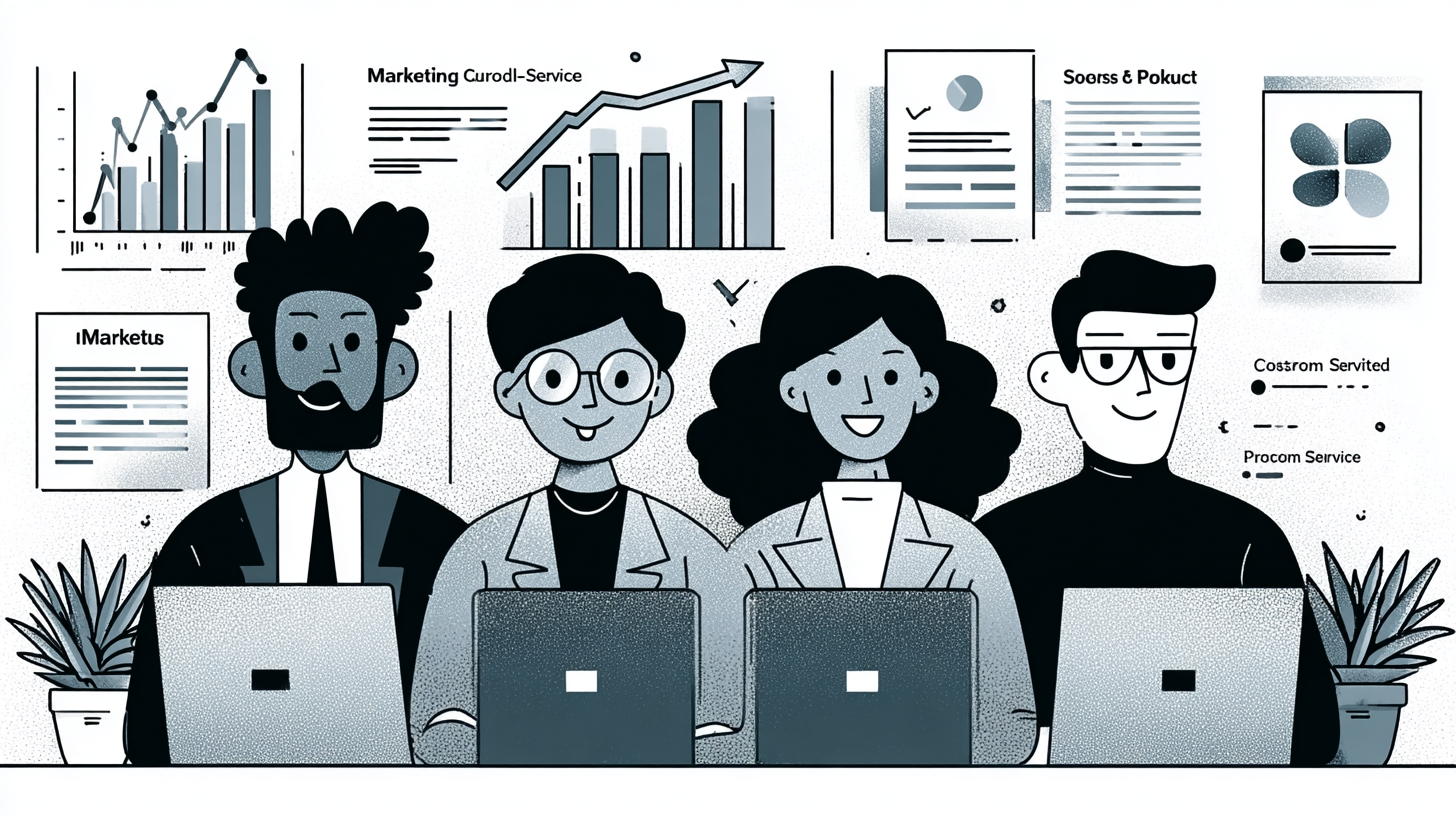
Growth analytics is the structured, computational analysis of business data to identify, measure, and optimize growth opportunities. Unlike traditional analytics, which often focus on isolated metrics or single departments, this approach connects data across marketing, sales, product, and customer success. This unified view reveals patterns and relationships that drive long-term, sustainable growth.
This table shows how growth analytics breaks down silos, providing a 360-degree view of business performance.
Core Pillars and Types of Growth Analytics
The foundation rests on several core pillars:
Data Gathering: Collecting high-quality, relevant data from every touchpoint.
KPI Definition: Establishing key performance indicators that align with business objectives.
Segmentation: Breaking down users or customers by attributes such as behavior, geography, or lifecycle stage.
Predictive Modeling: Using statistical models and machine learning to forecast trends and outcomes.
Experimentation: Running A/B tests and pilots to validate hypotheses.
Insight Communication: Translating findings into actionable recommendations for stakeholders.
This integrated approach encompasses insights from multiple domains, including:
Product analytics (feature usage, adoption rates)
Pricing analytics (price sensitivity, revenue optimization)
Sales analytics (pipeline velocity, deal size)
Marketing analytics (campaign ROI, attribution)
Customer success analytics (churn prediction, satisfaction scores)
By unifying these analytics types, organizations can spot hidden opportunities and optimize across the entire customer lifecycle.
Predictive Models, Real-World Example, and Frameworks
Statistical models and machine learning are at the heart of advanced analytics. Predictive algorithms can forecast user churn, estimate lifetime value, or identify the next best action for each customer segment. For example, a SaaS company might use data-driven insights to analyze onboarding flows, pinpointing where users drop off and experimenting with new features to boost both acquisition and retention.
Aligning analytics efforts with business objectives is essential. If a company aims to increase user retention, the right metrics, targeted experiments, and clear communication of findings drive action.
Several frameworks guide effective implementation, such as growth loops (where each customer action feeds new growth), metric trees (visualizing how KPIs connect), cohort analysis (tracking groups over time), and funnel analytics (measuring conversion at each stage). For a comprehensive overview of frameworks like Pirate Metrics and GROWTHRECOMMENDEDLAMERS, see Growth Metric Frameworks.
Industry leaders like Mixpanel and DealHub emphasize connecting data across all teams and channels. This holistic integration ensures that insights are actionable and drive revenue, not just reports.
Strategic analytics is more than a set of tools—it's a mindset shift toward continuous improvement, collaboration, and data-driven expansion. By mastering its foundations and frameworks, organizations are better positioned to unlock insights that matter.
The Strategic Value of Growth Analytics in 2026
Data-driven decision-making is transforming how organizations compete and thrive in 2026. Its impact is felt across every department, from the C-suite to customer support. With real-time insights and predictive models, companies can make smarter, faster decisions that drive sustainable growth.

Driving Data-Driven Decision Making
Strategic analytics empowers leaders to move beyond gut instinct and base decisions on solid evidence. Executives use comprehensive dashboards to understand performance across markets, channels, and teams.
For example, a global SaaS provider can use data insights to pinpoint which markets yield the highest ROI. By analyzing customer behavior and market trends, companies allocate resources more effectively. This approach not only improves financial performance but also builds organizational confidence in strategic choices.
Customer Insights and Personalization
Advanced analytics gives organizations a deeper understanding of their customers. By segmenting users based on behavior, demographics, or lifecycle stage, teams can tailor offerings and messages for maximum impact.
Imagine a B2B firm refining its product messaging for different customer cohorts. Using analytical insights, they identify unique pain points and preferences within each segment. As a result, campaigns become more relevant, leading to higher engagement and satisfaction.
Improved marketing precision
Enhanced product fit
Increased customer loyalty
Product Development and Innovation
Product teams leverage growth analytics to prioritize feature development and address market gaps. Usage data reveals which features drive adoption and which need improvement.
A 2023 statistic from Exploding Topics found that 91.9% of businesses achieved measurable growth through analytics investments. By listening to customer feedback and usage trends, companies can innovate confidently. Growth analytics ensures development efforts align with real customer needs, accelerating time to market.
Risk Management and Competitive Advantage
Growth analytics is a powerful tool for identifying risks and staying ahead of competitors. Predictive models analyze market signals and customer behavior to flag potential threats or opportunities.
Organizations use trend analysis to anticipate competitor moves or shifts in demand. By leveraging insights from resources like the Predictive Analytics Market Report, businesses can strengthen their risk management strategies and maintain a competitive edge.
Early detection of market volatility
Proactive mitigation of customer churn
Informed investment and pricing decisions
Operational Efficiency and Scalability
Growth analytics streamlines operations by identifying bottlenecks and highlighting best practices. B2B firms, for instance, use analytics to optimize delivery processes and elevate customer service.
Scaling successful strategies across departments becomes easier with clear, data-backed insights. Teams can replicate high-performing processes, leading to organization-wide efficiency gains.
Real-World Outcomes
The business world is doubling down on analytics. According to Exploding Topics, over half of data leaders planned to increase analytics budgets in 2024. Insights from DealHub and Mixpanel show that growth analytics delivers measurable improvements in revenue and retention.
Growth analytics is not just a trend for 2026, but a critical driver of business success.
Essential Growth Analytics Metrics for 2026
To drive real business outcomes in 2026, organizations must master growth analytics by tracking the right metrics. These indicators help leaders understand what’s working, where to invest, and how to optimize every stage of the customer journey. Let’s break down the essential growth analytics metrics you’ll need for success.

Revenue Generation and Financial Performance
Revenue is the ultimate scorecard for any business. Growth analytics starts by tracking total revenue, annual recurring revenue (ARR), and average revenue per user (ARPU). These metrics reveal whether your strategies are turning into tangible financial results.
For example, analyzing year-over-year revenue growth helps pinpoint which products or markets are fueling expansion. Comparing ARR and ARPU across segments can uncover hidden opportunities for upselling or price optimization.
Customer Acquisition and Cost Metrics
Understanding how much it costs to win new customers is crucial. Growth analytics focuses on cost per lead (CPL), customer acquisition cost (CAC), and average deal size. CAC has surged by about 60% in the last five years, so tracking this trend helps you spot inefficiencies.
Evaluating ROI across paid, organic, and referral channels enables resource allocation where it counts. If CAC outpaces ARPU, it’s time to refine your acquisition strategy.
CPL: What you spend per new lead.
CAC: Total cost to acquire a customer.
Deal Size: Average revenue per closed deal.
Conversion, Retention, and Churn
Every funnel stage matters. Growth analytics measures conversion rates in marketing and sales, highlighting where prospects drop off. Retention rates are a profitability driver; boosting retention by 5% can increase profits by up to 95%.
Churn rate analysis tells you how many customers leave and the revenue at risk. Identifying at-risk segments lets you launch targeted win-back campaigns.
Conversion Rate: Percentage moving to next funnel stage.
Retention Rate: Share of customers who stay.
Churn Rate: Lost customers or revenue over time.
Engagement and Active User Metrics
How engaged are your users day to day? Growth analytics tracks daily active users (DAU), monthly active users (MAU), and engagement scores. These metrics show if your product or service is sticky and valuable.
Segmenting DAU or MAU by cohort helps tailor growth initiatives. For instance, if new users are more active than older ones, consider revamping your onboarding.
Upsells, Cross-Sells, and Expansion Revenue
Growth analytics isn’t just about new customers. Tracking upsell and cross-sell success maximizes customer lifetime value. By measuring expansion revenue, you can see how well your team is deepening relationships and increasing wallet share.
Monitor the uptake of add-ons, premium tiers, or new product lines. These insights help you design campaigns to drive more expansion revenue from your existing base.
Customer Satisfaction and Advocacy
Happy customers fuel organic growth. Growth analytics uses CSAT (customer satisfaction), NPS (net promoter score), and advocacy metrics to gauge customer health. Gathering feedback through surveys and support interactions creates a feedback loop for continuous improvement.
For example, a high NPS signals loyalty, while low scores highlight areas needing attention. Leveraging this data helps you turn satisfied users into brand advocates.
Promo and Price Optimization
Pricing and promotions directly impact growth analytics outcomes. Analyzing the performance of different pricing strategies and promotional campaigns reveals what resonates with your audience.
Experiment with payment schedules and price points to find what drives optimal conversion. For instance, A/B testing a new monthly plan could uncover untapped demand or pricing resistance.
Segmentation and Cohort Analysis
Not all customers are alike. Growth analytics relies on breaking metrics down by customer type, product, geography, or behavior. Cohort analysis allows you to track how different groups perform over time, revealing trends and opportunities.
These techniques uncover hidden patterns behind customer insights, enabling hyper-targeted campaigns and smarter resource allocation. For an in-depth look at extracting value from segmentation, see The hidden patterns behind customer insights.
Active Experimentation and Testing
Continuous improvement is the heart of growth analytics. Using A/B and multivariate testing, organizations can optimize everything from onboarding flows to email campaigns.
For example, testing different onboarding sequences can boost activation rates significantly. Document experiments and results to build a library of best practices and accelerate future growth.
Growth analytics is most powerful when these metrics are tracked consistently, communicated clearly, and used to guide action. With the right data and frameworks, your organization can unlock new growth opportunities and stay ahead in 2026.
Implementing Growth Analytics: Step-by-Step Roadmap
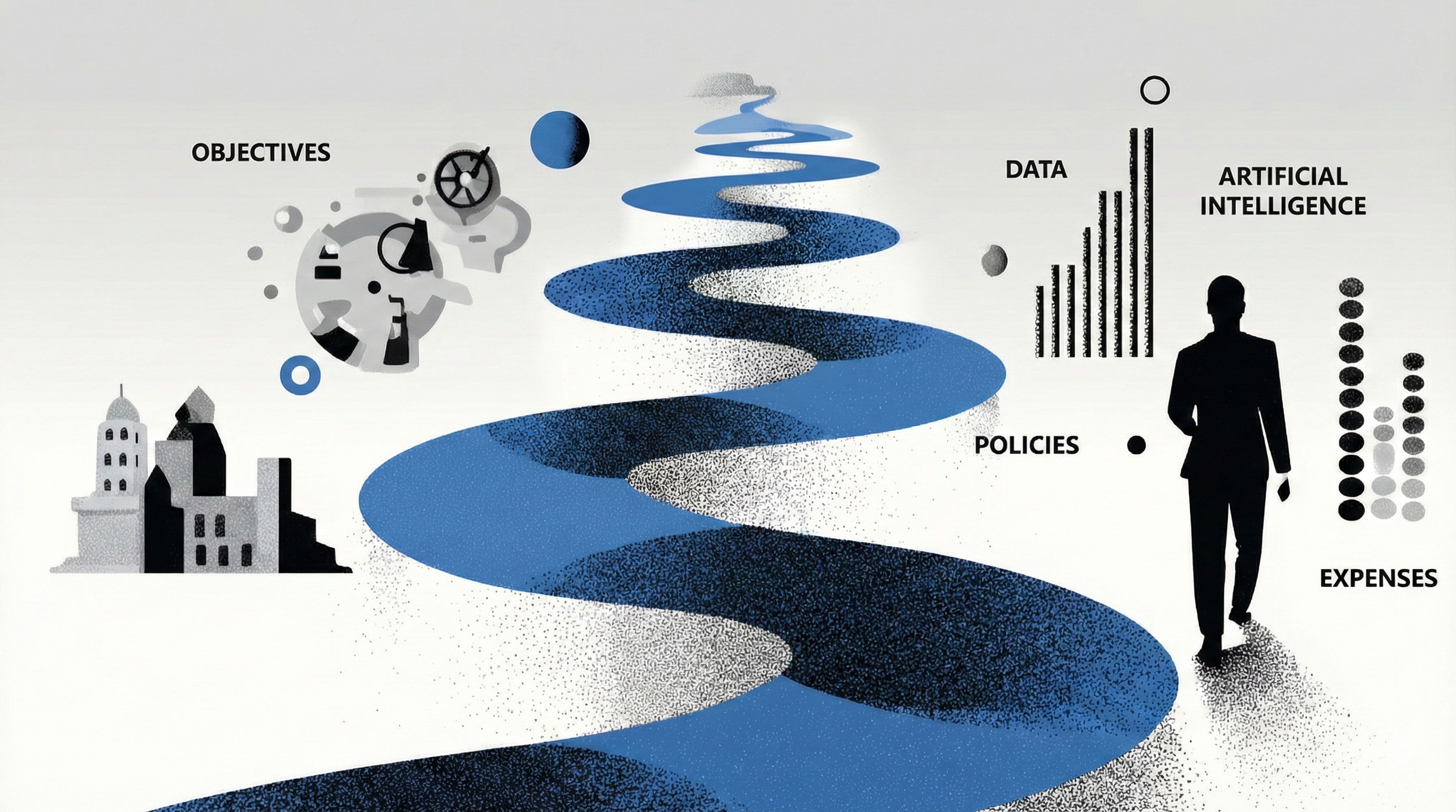
Implementing growth analytics effectively requires a clear, systematic roadmap. Each step builds on the last, guiding organizations from goal setting to ongoing optimization. Let’s break down the process so you can confidently drive data-driven growth in your business.
Step 1: Define Clear Growth Objectives
Start your growth analytics journey by defining specific, measurable objectives. Are you aiming to increase user acquisition, improve retention, or boost revenue? Setting clear goals ensures analytics initiatives align with business priorities.
Gather your leadership team and stakeholders to discuss what success looks like. Use SMART goals (Specific, Measurable, Achievable, Relevant, Time-bound) to clarify your vision. For example, “Increase monthly active users by 15 percent in Q2” is more actionable than “Grow our user base.”
Clear objectives set the stage for focused growth analytics efforts, helping you stay on track and measure real progress.
Step 2: Identify and Prioritize Key Metrics
Once objectives are set, decide which metrics matter most. Growth analytics thrives on relevant, actionable data—not vanity numbers. Consider metrics like customer acquisition cost, lifetime value, conversion rates, and retention.
Use frameworks like metric trees to map each business goal to precise key performance indicators (KPIs). This approach clarifies how each metric contributes to overall success.
Prioritize metrics that directly impact your strategic aims. Avoid tracking too many data points, which can lead to confusion. Instead, focus growth analytics on a concise set of indicators that truly move the needle.
Step 3: Integrate Data Sources and Ensure Data Quality
Bringing together data from multiple systems is essential for holistic growth analytics. Integrate sources such as CRM, product analytics, marketing platforms, and financial systems. This creates a unified view of your business.
Data quality is crucial. Inaccurate or outdated data can undermine analytics efforts and lead to poor decisions. Establish regular checks to validate accuracy and consistency.
Accessible, real-time data empowers teams to act quickly. Growth analytics works best when information flows freely, so break down silos and standardize data formats for seamless integration.
Step 4: Deploy Analytics Tools and Platforms
Selecting the right analytics tools is a pivotal step in growth analytics implementation. Decide whether to build an in-house solution or leverage third-party platforms. Consider features like real-time dashboards, customizable reporting, segmentation, and experimentation capabilities.
Evaluate solutions for scalability, ease of use, and integration with your existing tech stack. For organizations seeking robust frameworks, the CAWAL Analytics Framework offers a unified approach to enterprise analytics, supporting web applications and growth initiatives.
The right tools accelerate insight generation and make growth analytics accessible to all relevant teams.
Step 5: Build a Data-Driven Culture and Upskill Teams
Growth analytics is not just about technology—it’s about people. Foster a data-driven culture by encouraging collaboration across departments. Marketing, sales, product, and customer success teams should all participate in analytics discussions.
Invest in training programs to build analytical skills. Encourage team members to interpret data and act on insights confidently.
Celebrate data-driven wins to reinforce positive behaviors. When everyone sees the value of growth analytics, adoption and impact rise across the organization.
Step 6: Analyze, Report, and Communicate Insights
Effective growth analytics requires more than just data collection. Analyze information regularly to uncover actionable insights. Use data visualization tools to create clear, compelling dashboards and reports.
Tailor communication for different audiences. Executives may need high-level summaries, while frontline teams benefit from granular details.
Share findings openly to drive informed decision-making. Growth analytics should become a core part of your organization’s strategic conversations.
Step 7: Iterate, Experiment, and Optimize
Continuous improvement is the heart of growth analytics. Regularly test new ideas through A/B testing, multivariate analysis, or pilot programs. Track results and refine your approach based on what works.
Experimentation helps uncover hidden growth opportunities and keeps strategies fresh. Use feedback loops to capture learnings and adapt quickly.
Over time, growth analytics enables agile, responsive business practices that drive sustained performance.
Step 8: Monitor, Scale, and Future-Proof Your Analytics
Finally, ensure your growth analytics approach evolves with your business. Set up feedback mechanisms to monitor changing needs and market trends. Regularly review and update analytics frameworks to stay current.
Prepare for emerging technologies like AI, automation, and new privacy regulations. Scalability is key—choose systems and processes that grow with you.
By future-proofing your growth analytics, you position your organization to thrive in the fast-changing landscape of 2026 and beyond.
Best Practices and Pitfalls in Growth Analytics
Mastering growth analytics is about more than collecting data. It is about building habits, frameworks, and a culture that turns insights into real business outcomes. Let us explore what separates high-performing teams from those who struggle, and how you can avoid the most common mistakes.
Best Practices for Effective Growth Analytics
To get the most from growth analytics, organizations need a strong foundation and the right mindset. Start by aligning analytics with your core business strategy, not just collecting numbers for the sake of it. Focus on metrics that drive real impact, rather than vanity metrics that look impressive but do not inform decisions.
Ensure data integrity: Create a single source of truth for all teams.
Foster collaboration: Encourage marketing, sales, product, and customer success teams to share insights and align on goals.
Leverage automation and AI: Use predictive tools to uncover patterns and opportunities quickly.
Regularly review frameworks: Update your analytics models as your business evolves.
For a deeper dive into frameworks that connect data with outcomes, check out Frameworks and outcomes in analytics. This resource can help you build systems that keep your growth analytics efforts focused and effective.
Common Pitfalls and How to Avoid Them
Even the best teams can fall into traps with growth analytics. One major risk is creating data silos, where information is trapped within one department. This limits your ability to see the big picture.
Another pitfall is overcomplicating your metrics. Tracking too many numbers can lead to analysis paralysis, where no one is sure what to prioritize. Remember to balance quantitative data with qualitative insights, like customer feedback.
Avoid ignoring insights. Analytics only work if teams act on what they learn.
Invest in training. Teams need the skills to interpret and use analytics tools.
Stay flexible. Business goals change, so your analytics approach should too.
Harnessing predictive analytics can help teams move from reactive to proactive strategies. For more on this, see Transforming decision-making with predictive AI.
Case Examples and Lessons Learned
Let us look at how real companies are using growth analytics to boost performance. A B2B firm recently streamlined its analytics stack, moving from fragmented tools to a unified platform. This shift allowed them to improve campaign ROI and accelerate decision-making.
Another lesson comes from organizations that make analytics part of everyday workflows. When leadership and teams use data to drive product changes or marketing tactics, they see measurable gains in revenue and retention.
Successful teams treat growth analytics as a living process, not a one-time project. They celebrate quick wins, learn from failures, and keep refining their approach.
Measuring Success and Continuous Improvement
How do you know your growth analytics strategy is working? Start by setting clear benchmarks for your chosen metrics. Track progress over time, and use dashboards to visualize results for easy sharing across teams.
Continuous improvement is key. Use analytics to inform strategic pivots, test new ideas, and measure outcomes. This cycle keeps your teams agile and ensures your growth analytics program adapts as your business evolves.
By making growth analytics a central part of your culture, you foster innovation, outperform competitors, and set your organization up for long-term success.
The Future of Growth Analytics: Trends and Opportunities for 2026
The future of growth analytics is unfolding rapidly, reshaping how companies compete and innovate. By 2026, organizations that master these evolving trends will be best positioned to unlock new revenue streams, boost efficiency, and stay ahead of the curve. As the Data Analytics Market Forecast predicts, the global analytics sector could reach USD 785.62 billion by 2035, underscoring just how vital growth analytics will be for business strategy and market leadership.
AI and Machine Learning: Predictive and Prescriptive Capabilities
Artificial intelligence and machine learning are at the heart of next-generation growth analytics. These technologies enable businesses to move beyond descriptive reports to predictive and prescriptive insights, forecasting customer behavior, market shifts, and operational risks before they happen.
Advanced models can automatically detect patterns, recommend strategies, and even automate decision-making. This shift allows teams to optimize campaigns, personalize experiences, and respond to trends in real time. As AI becomes more accessible, growth analytics will play a central role in supporting both strategy and execution.
Real-Time Data Integration, Privacy, and Self-Serve Tools
Another defining trend is the demand for real-time, omni-channel data integration. Organizations need unified views that connect marketing, sales, product, and customer success data. Growth analytics platforms are evolving to break down silos, ensuring teams can access actionable insights instantly.
With this integration comes a heightened focus on privacy, data governance, and ethical analytics practices. Companies must balance innovation with transparency and compliance, especially as regulations tighten. The rise of self-serve analytics tools is also empowering non-technical users, making growth analytics a company-wide capability, not just an IT function.
Product-Led Growth, Metric Trees, and Cohort Analysis
Growth analytics is fueling a shift toward product-led and customer-centric strategies. Companies are leveraging frameworks like metric trees and cohort analysis to better understand user journeys and identify high-impact growth levers. These tools help pinpoint where to experiment, iterate, and invest for maximum ROI.
For organizations building agile teams, The essential guide to building a product development team offers practical insights into analytics-driven innovation. By connecting product data with customer feedback, businesses can refine offerings and accelerate sustainable growth.
Preparing for the Next Wave: Future-Proofing Analytics
To stay competitive in 2026 and beyond, businesses must future-proof their growth analytics strategies. This means investing in scalable infrastructure, continuous team training, and flexible frameworks that adapt to new technologies. Organizations should establish feedback loops, automate routine analyses, and prioritize data quality.
Leaders are also exploring ways to democratize analytics, empowering every team member to contribute insights. By fostering a culture of experimentation and learning, companies can respond quickly to change and capitalize on emerging opportunities.
Insights from Industry Leaders: Staying Ahead
Top-performing organizations already view growth analytics as a strategic differentiator. They use advanced tools for real-time monitoring, predictive modeling, and cross-team collaboration. By aligning analytics with business goals, these leaders anticipate market shifts and outperform competitors.
As growth analytics evolves, those who embrace these trends will be well-equipped to navigate uncertainty, drive innovation, and achieve lasting success in 2026 and beyond.
You've just explored how growth analytics can turn raw data into real business results, helping you make smarter decisions, boost customer retention, and stay ahead of the competition in 2026 and beyond. If you’re ready to move from theory to action—whether that means building a data-driven culture, integrating AI into your workflows, or simply making sense of your numbers—we’re here to help you every step of the way. Let’s work together to unlock the insights that will drive your next phase of growth.
Contact us now to get started
